
 English
 Русский


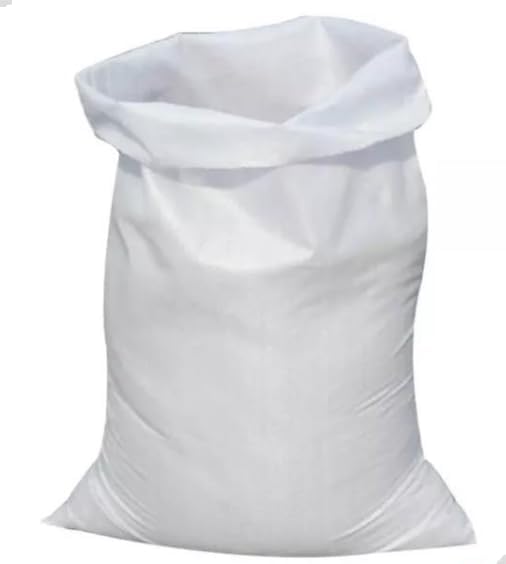
PP Woven Bags Supplier in Vietnam Exporting to Mexico
A Strategic Supply Chain Guide for Mexican Importers (2026 Edition)
Executive Summary (For Decision Makers)
-
Vietnam has become a strategic sourcing alternative to China for PP woven bags.
-
Under Comprehensive and Progressive Agreement for Trans-Pacific Partnership (CPTPP), qualified Vietnamese products can benefit from 0% duty in Mexico.
-
Lead time, production capacity planning, and container optimization are more critical than FOB price alone.
-
Mexican importers moving 3–10 containers per month require stable rolling supply, not opportunistic spot pricing.
-
Supplier evaluation should include QC systems, resin sourcing stability, and expansion capacity roadmap.
-
A long-term partnership model reduces cost volatility and supply disruption risk.
1. Why Vietnam Is Emerging as a Strategic Supplier for Mexico
In 2026, Mexican importers of PP woven bags—especially in:
-
Sugar industry
-
Rice industry
-
Animal feed
-
Fertilizer
-
Agro-industrial packaging
are increasingly reviewing their sourcing structure.
Key drivers include:
-
Over-concentration in China
-
Freight volatility
-
Trade agreement advantages
-
Supply chain diversification strategy
Vietnam has positioned itself as a stable, FTA-connected manufacturing hub in Asia.
But not all suppliers are equal.
2. What Mexican Importers Should Expect from a Vietnam Supplier
A serious PP woven supplier exporting to Mexico should demonstrate:
2.1 Trade Agreement Compliance
-
Understanding of HS codes (6305.33 / 5407.20)
-
Proper CPTPP origin documentation
-
Consistent commercial documentation
Without this, duty benefits may be lost.
2.2 Production Capacity Transparency
Importers moving 5 containers per month require:
-
Capacity planning visibility
-
Lead time commitment
-
Raw material sourcing stability
-
Factory scalability roadmap
A supplier operating at maximum capacity without expansion planning creates risk.
2.3 Technical Engineering Capability
Beyond price, suppliers must understand:
-
GSM selection
-
Mesh configuration
-
Tensile strength standards
-
Drop test performance
-
Calcium ratio impact
Technical clarity reduces quality claims and rework costs.
3. Total Landed Cost vs FOB Illusion
Many buyers still compare:
China FOB vs Vietnam FOB
However, the correct evaluation model is:
Total Landed Cost per Bag in Mexico
This includes:
-
FOB
-
Freight
-
Duty
-
Port handling
-
Demurrage risk
-
Quality-related losses
-
Delay impact
Vietnam suppliers leveraging CPTPP and container optimization often achieve structural cost competitiveness—even when FOB is similar.
4. Container Optimization: A Key Advantage
Freight is charged per container, not per ton.
Example considerations:
-
22 MT loading vs 26 MT loading
-
Pallet vs non-pallet
-
Roll vs finished bag volume ratio
A strategic supplier engineers packaging and weight distribution to maximize efficiency without compromising tensile performance.
For importers moving multiple containers monthly, this creates measurable annual savings.
5. Risk Management in 2026 Supply Chain
Mexican importers face:
-
Resin price volatility
-
Freight fluctuation
-
Port congestion
-
Currency movement
-
Geopolitical trade risk
A strong Vietnam supplier should provide:
-
Rolling production forecast planning
-
Resin procurement timing strategy
-
Capacity reservation options
-
Transparent QC system
The goal is predictable supply—not speculative purchasing.
6. Quality Control Standards Importers Should Demand
Serious importers should request:
-
AQL-based inspection approach
-
Defined tolerance levels (length, width, weight)
-
Drop test criteria
-
Stitch density control
-
Raw material ratio transparency
Low-GSM or high-calcium shortcuts may reduce FOB but increase operational loss.
Quality stability protects downstream operations in Mexico.
7. Lead Time & Transit Time to Mexico
Transit from Vietnam to Manzanillo is comparable to East Asia routes.
However, more important than transit time is:
-
Production scheduling discipline
-
Container booking timing
-
Documentation accuracy
Late shipment often costs more than small FOB difference.
8. Diversification Strategy for Mexican Importers
Instead of replacing China entirely, many importers apply:
-
50–70% primary supplier
-
30–50% diversification partner
Vietnam increasingly plays the role of structured secondary or co-primary source.
This model reduces:
-
Country concentration risk
-
Negotiation imbalance
-
Supply interruption exposure
9. How Tan Hung Approaches Export to Mexico
Based on export experience to Mexico and Central America:
-
Production is scheduled based on rolling forecast.
-
Container loading targets high efficiency without quality compromise.
-
QC follows structured inspection principles.
-
CPTPP documentation is managed digitally and consistently.
-
Expansion capacity planning supports long-term volume growth.
The objective is not short-term opportunistic pricing—but long-term stability.
10. Strategic Recommendation for 2026–2027
For Mexican importers planning stable monthly volumes:
-
Evaluate suppliers based on Total Landed Cost, not FOB.
-
Confirm CPTPP compliance before shipment.
-
Secure 2–3 month rolling forecast.
-
Optimize container loading for freight efficiency.
-
Partner with suppliers investing in capacity expansion.
The future belongs to supply chain partnerships—not transactional buying.
Conclusion
Vietnam is no longer an alternative supplier—it is becoming a strategic supply chain partner for Mexico.
However, selecting the right PP woven bags supplier requires:
-
Trade compliance knowledge
-
Technical engineering capability
-
Cost optimization mindset
-
Capacity planning discipline
-
Long-term strategic alignment
Mexican importers who evaluate suppliers at this level will achieve both cost efficiency and operational stability in 2026 and beyond.
