
 English
 Español


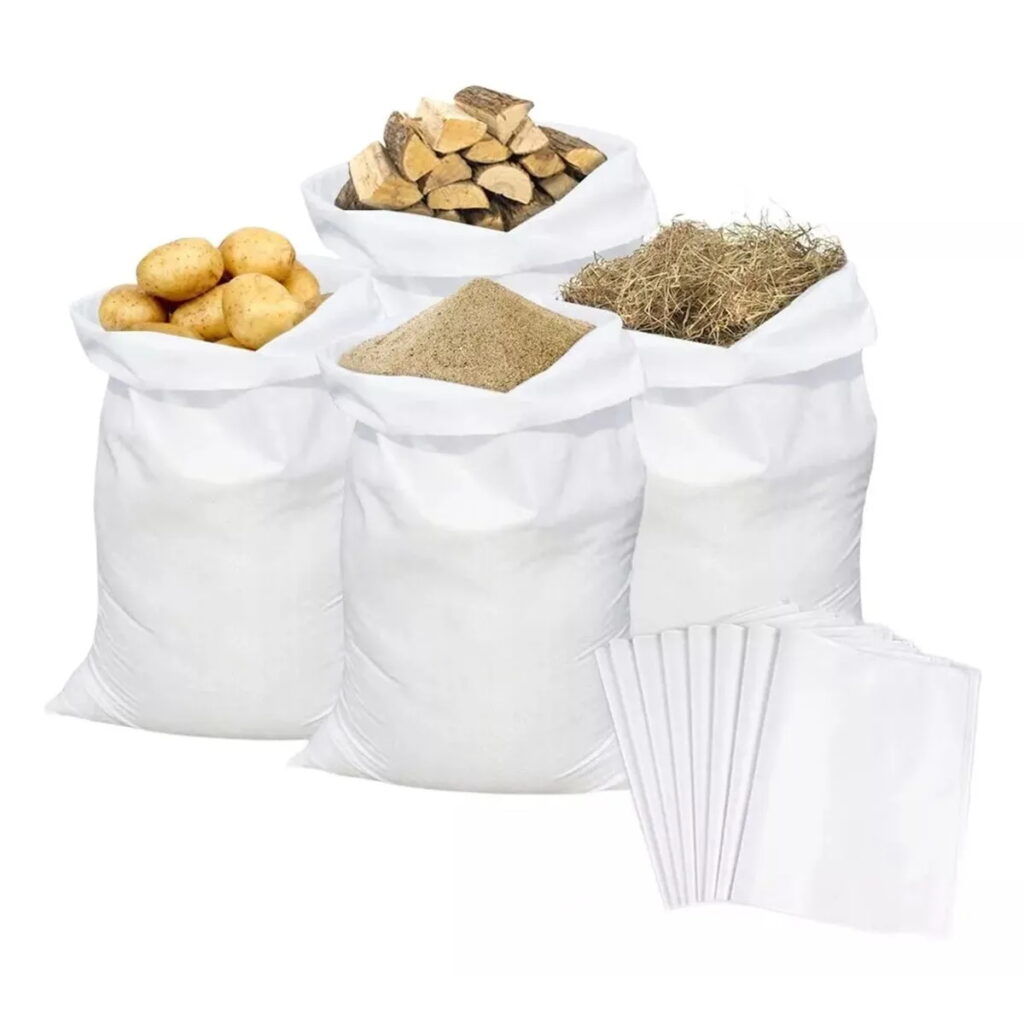
How to Reduce Supply Chain Risk in 2026 (PP Woven Industry)
A Strategic Risk Management Guide for Mexican & LATAM Importers
1. Why Supply Chain Risk Is the Real Cost in 2026
In 2026, the PP woven industry is no longer driven only by price competition.
Mexican and LATAM importers face:
-
Freight volatility
-
Resin price fluctuation
-
Trade policy uncertainty
-
Port congestion
-
Quality inconsistency
-
Production capacity pressure
The biggest threat is not high FOB price.
The biggest threat is supply chain instability.
Reducing supply chain risk has become a strategic priority.
2. Identify the Main Risk Categories
Before reducing risk, importers must understand its sources.
2.1 Country Concentration Risk
Sourcing 100% from one country increases exposure to:
-
Trade restrictions
-
Political tension
-
Energy policy shifts
-
Labor disruptions
Diversification reduces systemic risk.
2.2 Resin Price Volatility
Polypropylene resin is the core raw material.
Risks include:
-
Oil price fluctuation
-
Petrochemical supply imbalance
-
Currency movement
Resin volatility directly impacts PP woven fabric and bag pricing.
2.3 Freight & Logistics Risk
Ocean freight can fluctuate due to:
-
Vessel capacity constraints
-
Peak season congestion
-
Fuel price increases
-
Route disruptions
Freight spikes can erase margin quickly.
2.4 Production Capacity Risk
High-capacity factories during peak season may:
-
Extend lead time
-
Reduce QC strictness
-
Substitute raw materials
Capacity transparency matters.
2.5 Quality Risk
Common quality risks include:
-
Under-GSM reduction
-
Excessive calcium ratio
-
Weak tensile strength
-
Stitch inconsistency
Operational loss often exceeds price savings.
3. Diversification Strategy (Country & Supplier)
One of the most effective methods to reduce supply chain risk is structured diversification.
Professional importers typically apply:
-
60–70% primary supplier
-
30–40% secondary supplier
Vietnam is increasingly used as a diversification partner due to CPTPP advantage under
Comprehensive and Progressive Agreement for Trans-Pacific Partnership (CPTPP).
Diversification improves:
-
Negotiation leverage
-
Freight flexibility
-
Policy resilience
4. Implement Rolling Forecast & Capacity Reservation
Spot purchasing increases risk.
Instead, importers should:
-
Share 2–3 month rolling forecast
-
Secure production slots in advance
-
Align resin procurement timing
-
Coordinate container booking early
Rolling planning reduces emergency production pressure and late shipment risk.
5. Optimize Container Loading to Reduce Cost Exposure
Freight is charged per container.
Under-loading increases cost per bag.
Risk mitigation includes:
-
Targeting optimal loading (25–26 MT where technically safe)
-
Engineering packaging density
-
Avoiding unnecessary pallet space
Container optimization protects margin against freight spikes.
6. Resin Cost Management Strategy
Professional sourcing teams:
-
Monitor resin price trends
-
Lock price during stable period
-
Avoid purchasing during spike cycles
-
Align contract signing with resin stability
Resin timing is as important as supplier selection.
7. Quality Control Risk Mitigation
To reduce quality-related disruption:
-
Define GSM tolerance clearly
-
Specify tensile strength minimum
-
Control PP/CaCO₃ ratio
-
Implement AQL-based inspection
-
Conduct drop tests for 40–50kg bags
Clear specification reduces ambiguity and claim risk.
8. Freight Risk Control
Freight risk can be mitigated by:
-
Early booking
-
Multi-carrier comparison
-
FOB model for high-volume importers
-
Avoiding peak congestion season
Freight strategy must align with production planning.
9. Financial & Cash Flow Risk
Importers should consider:
-
Payment term balance (deposit vs balance before ETA)
-
Currency fluctuation
-
Insurance coverage
Supply chain stability includes financial structure stability.
10. Total Risk-Adjusted Cost Model
Instead of comparing FOB only, use:
Risk-Adjusted Total Landed Cost =
FOB
-
Freight
-
Duty
-
Port handling
-
Quality risk factor
-
Delay risk factor
-
Concentration risk premium
This model reveals real competitiveness.
11. Long-Term Strategic Framework (2026–2030)
Importers seeking stability should:
-
Diversify supply origin.
-
Implement rolling contract strategy.
-
Optimize container loading.
-
Control quality standards.
-
Align resin purchase timing.
-
Evaluate supplier expansion roadmap.
Stability is engineered — not accidental.
12. How Tan Hung Approaches Risk Reduction
Based on export experience to Mexico and Central America:
-
CPTPP documentation alignment
-
Structured production scheduling
-
Controlled raw material ratio
-
Container loading engineering
-
Capacity expansion planning
The objective is predictable monthly supply, not opportunistic transactions.
Conclusion
Reducing supply chain risk in the PP woven industry in 2026 requires:
-
Diversification
-
Capacity planning
-
Resin strategy
-
Freight optimization
-
Quality discipline
Importers who integrate these elements will outperform price-driven competitors and build long-term resilience.
