Español
 Русский


PP Woven Fabric Explained: Properties, Key Uses, and Why Its Indispensable
Introduction: The Unsung Hero of Modern Industry
From the sacks holding grain in a warehouse to the protective tarps on a construction site, a remarkably strong and versatile material underpins modern industry and logistics. This material, Polypropylene (PP) woven fabric, has become an indispensable component of global supply chains. Its unique combination of strength, resilience, and cost-effectiveness makes it the silent workhorse behind countless applications. This article will explain what PP woven fabric is, explore its core properties, and demonstrate why it is an essential material in today’s world.
Setting the Stage: The Constant Demand for Robust Materials
Industries from agriculture to construction face a constant challenge: how to safely store, protect, and transport goods. Materials must be strong enough to handle heavy loads, resistant to environmental factors like moisture, and economical enough for widespread use. This demand for reliable and efficient materials sets the stage for engineered solutions that outperform traditional options.
Introducing PP Woven Fabric: A Versatile and Critical Solution
Enter PP woven fabric. As a thermoplastic polymer-based textile, it directly answers the call for a durable, lightweight, and adaptable material. The global market for polypropylene woven bags and sacks, estimated at US$ 4.46 billion in 2024, underscores its critical role and is projected to grow, reaching US $6.67 billion by 2034.
What is PP Woven Fabric? Unpacking the Core Material
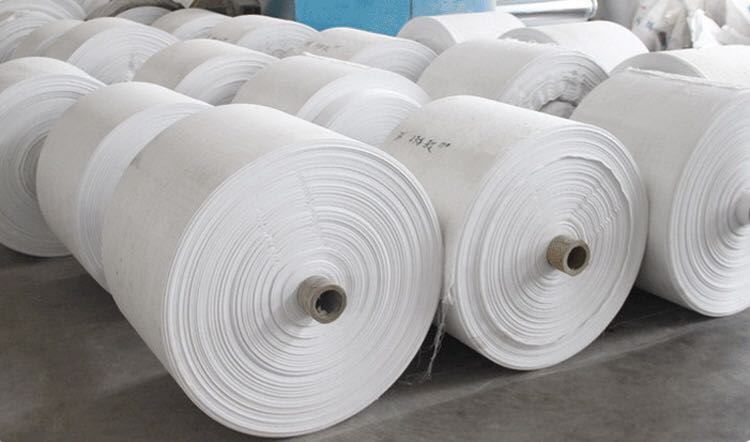
At its core, Polypropylene woven fabric is a textile produced by weaving together tapes of Polypropylene. Its structure is the key to its exceptional performance, offering a superior alternative to materials like paper or jute in demanding situations.
From Pellets to Fabric: The Polypropylene Journey
The manufacturing process begins with raw Polypropylence pellets, which are melted and extruded into thin, flat tapes or threads. This Polypropylene yarn is then wound onto bobbins, ready for the next stage. This initial step determines the fundamental strength and consistency of the final fabric.
The Art of Weaving: How Structure Dictates Strength
These tapes are then woven together on a loom in a crisscross pattern, much like traditional textiles. This interlocking structure distributes stress evenly across the fabric, creating immense tensile strength and making it highly resistant to tearing and puncturing. The density of this weave can be adjusted to create fabric for different applications.
The Science of Strength: Unraveling PP Woven Fabric’s Core Properties
The indispensability of PP fabric stems from a unique set of physical and chemical properties that make it suitable for a vast range of environments and uses.
Exceptional Mechanical and Tensile Strength
The woven structure provides an outstanding strength-to-weight ratio. This allows PP woven bags to carry heavy loads without breaking, a critical feature for packaging bulk items like grain, fertilizer, or cement.
Superior Resistance: Chemical, Moisture, and Abrasion
Polypropylene is inherently non-porous and chemically inert. This gives the fabric excellent resistance to moisture, preventing spoilage of contents like food products. It also stands up to most acids, bases, and organic solvents, making it a safe choice for chemical packaging.
Durability and Longevity: Built to Last
PP woven fabric is highly resistant to abrasion and wear from handling and transportation. This durability ensures that packaging remains intact throughout the supply chain, reducing product loss and protecting investments.
UV Stabilization for Outdoor Performance
For applications requiring outdoor exposure, such as in construction or agriculture, PP fabric can be treated with UV stabilizers. This enhancement prevents the polymer from degrading under sunlight, significantly extending its service life.
Beyond the Ordinary Bag: Key Applications and Why PP Woven Fabric Excels
While commonly associated with bags, the application of PP woven fabric is incredibly diverse, highlighting its adaptability.
Securing Global Supply Chains: Packaging and Transport Solutions
This is the material’s primary domain. Polyolefin woven sacks constitute a significant 31% of the textile packaging market. From bags for rice and fertilizer to flexible intermediate bulk containers (FIBCs) for industrial powders, this fabric ensures safe and efficient transport.
Building a Foundation: Construction and Geotextile Applications
In construction, PP woven fabric is used as ground cover, silt fencing, and concrete curing blankets. As a geotextile, it helps with soil stabilization, erosion control, and drainage, demonstrating its utility in large-scale infrastructure projects.
Protecting Precious Resources: Agriculture and Storage Solutions
Beyond packaging fertilizer, PP fabric is used for crop covers, weed control mats, and shade nets. Its resistance to moisture and pests provides an ideal solution for protecting agricultural yields both in the field and in storage.
Diverse Industrial and Consumer Uses
The material’s reach extends to industrial components, furniture lining, and even reusable shopping bags. Its combination of low cost and high durability makes it a practical choice for countless everyday items.
The Power of Personalization: Customization and Adaptability
One of the greatest strengths of PP woven fabric is its capacity for customization, allowing it to be tailored for nearly any specific need.
Tailoring to Specific Needs: Color, Printing, and Dimensions
Manufacturers can produce customized fabric in various colors for branding and product identification. High-quality printing allows for logos, instructions, and other information to be displayed directly on bags.
Enhancing Functionality: Coating and Lamination
For applications requiring a complete moisture barrier, PP woven fabric can be laminated with a film of polypropylene. This coating seals the small gaps in the weave, making the bags virtually waterproof.
Meeting Diverse Requirements: From Fabric Rolls to Specific Sacks
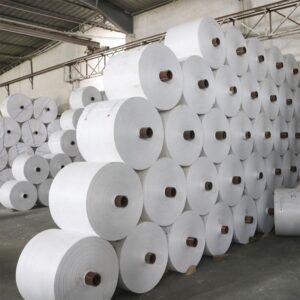
The material is available in large Fabric Roll formats for industrial use or converted into bags and sacks of nearly any shape and size, providing a solution for everything from small retail packaging to massive bulk transport. The Asia-Pacific region, with a dominant 45% of the global market share, hosts many manufacturers, including those in Vietnam, that specialize in this customization.
Why It’s Indispensable: The Core Value Proposition
The widespread adoption of PP woven fabric is no accident. It is rooted in a compelling combination of performance, cost, and versatility.
Cost-Effectiveness and Efficiency: Maximizing Value
PP fabric offers exceptional performance at a relatively low production cost, providing an economical solution for packaging and protection that does not compromise on quality.
Unmatched Protection and Reliability: Peace of Mind
The material’s strength and resistance properties ensure that products reach their destination intact. This reliability minimizes waste and protects brand reputation.
Versatility and Adaptability Across Industries: A Universal Solution
Few materials can serve the agricultural, chemical, construction, and consumer goods industries with equal effectiveness. This versatility makes PP woven fabric a go-to solution for countless challenges.
Embracing Sustainability: A Future-Proof Material Choice
PP woven fabric is reusable and recyclable. As the industry evolves, innovations are emerging, with approximately 30% of new PP woven bag products now featuring additives to improve their environmental profile.
Ensuring Quality: What to Look for in PP Woven Fabric
To leverage its full benefits, it is crucial to source high-quality fabric that meets established performance benchmarks.
Understanding Manufacturing Standards and Certifications
Reputable manufacturers adhere to international standards for fabric strength, UV resistance, and food-grade safety. Certifications provide an assurance of quality and consistency.
Key Indicators of High-Quality Fabric
Look for uniform weave density, consistent color, and strong seams on finished products. The fabric should feel robust and free of defects that could compromise its integrity.
Conclusion: The Unwavering Backbone of Modern Logistics and Industry
Polypropylene woven fabric is far more than just a packaging material; it is a fundamental enabler of modern commerce. Its unparalleled blend of strength, resistance, and cost-effectiveness has made it an indispensable tool for protecting, storing, and transporting goods across the globe. From safeguarding the world’s food supply to providing foundational support in construction, the quiet, unwavering performance of PP woven fabric ensures that industries can operate efficiently and reliably. As technology and sustainability demands evolve, this remarkable material is poised to continue its role as a critical component of our industrial landscape.
Final Thoughts
In today’s fast-paced packaging industry, the right materials make all the difference. With world-class polypropylene woven fabric and rolls, strict quality standards, and customized solutions, Tan Hung JSC helps businesses stay efficient, competitive, and sustainable.
📌 Tan Hung JSC – Your reliable partner for PP woven fabric and PP woven rolls, trusted by industries worldwide.