Español
 Русский


Polypropylene Woven Fabric Explained: Benefits, Uses & How to Choose
Introduction to Polypropylene Woven Fabric
Polypropylene (PP) woven fabric is an unsung hero in global commerce, providing strength, durability, and protection for countless goods across industries. From the bulk bags used in construction to the sacks that transport agricultural products, this versatile material is fundamental to modern logistics and packaging. Its combination of performance and cost-effectiveness makes it an indispensable choice for businesses worldwide.
What is Polypropylene Woven Fabric?
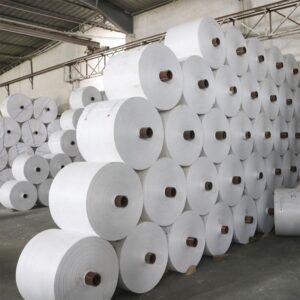
Polypropylene woven fabric is a textile created by weaving together tapes or threads of polypropylene. This thermoplastic polymer is known for its resilience and resistance to chemical and physical stressors. The weaving process interlaces the threads, creating a strong, stable, and lightweight material used extensively in packaging, transportation, and construction.
Why Choose PP Woven Fabric? (Brief overview of key benefits)
Businesses choose PP woven fabric for its exceptional strength-to-weight ratio, superior durability, and resistance to moisture and chemicals. It offers robust protection for contents while being lightweight enough to reduce shipping costs. Its affordability and versatility make it a highly practical solution for a wide range of applications. The global market for products like polypropylene woven bags is projected to reach approximately USD 3655 million in 2025, underscoring its growing importance.
Purpose of This Guide (What readers will learn)
This guide will explain what PP woven fabric is, how it’s made, and its core benefits. You will learn about its diverse applications and gain practical knowledge on how to select the right fabric specifications for your specific needs, ensuring optimal performance and value.
Understanding Polypropylene Woven Fabric: The Core Material and How It’s Made
The Foundation: What is Polypropylene (PP)?
Polypropylene is a thermoplastic polymer prized for its unique combination of properties. It is inherently lightweight, resistant to fatigue, and boasts excellent chemical resistance against many acids, bases, and solvents. This makes it an ideal raw material for creating durable fabrics that must withstand harsh conditions without degrading.
The Manufacturing Process: From Fibers to Fabric
The manufacturing journey begins with the extrusion of polypropylene resin. The resin is melted and forced through a die to create thin, continuous tapes or threads. These threads are then wound onto bobbins and loaded onto circular or flat looms. The weaving process interlaces the threads in a perpendicular pattern, forming a strong, stable sheet of PP woven fabric.
Key Structural Characteristics of Woven Fabric
The key characteristic of woven fabric is its crisscross structure, which provides dimensional stability and prevents stretching. This structure distributes stress evenly across the material, contributing to its high tensile strength and resistance to tears and punctures. The tightness of the weave, often measured in threads per inch, directly impacts the fabric’s durability and breathability.
Unpacking the Powerhouse: Key Properties and Benefits of PP Woven Fabric
Exceptional Strength and Durability
PP woven fabric offers remarkable durability. Its woven structure provides high tensile strength, making it resistant to tearing, punctures, and abrasions during handling and transportation. This robustness ensures that products, whether heavy aggregates or fine powders, are securely contained and protected.
Superior Resistance Capabilities
One of the material’s primary advantages is its non-porous nature, which provides excellent resistance to moisture. It also exhibits strong chemical resistance, safeguarding contents from spills and environmental contaminants. For outdoor applications, UV-stabilizing additives can be incorporated during manufacturing to protect the fabric from sun degradation.
Cost-Effectiveness and Versatility
Compared to other packaging materials, PP woven fabric delivers exceptional performance at a lower cost. Its lightweight nature helps reduce overall shipping and transportation expenses. This economic advantage, combined with its adaptability for different uses—from simple bags to complex geotextile rolls—makes it a valuable resource across many industries.
Diverse Applications: Where PP Woven Fabric Shines
Packaging Solutions
The most common application for PP woven fabric is in packaging. It is used to create bags for grains, feed, seeds, sugar, and cement. For larger quantities, Flexible Intermediate Bulk Containers (FIBCs) or bulk bags are manufactured for the efficient storage and transportation of bulk materials.
Agricultural and Horticultural Applications
In agriculture, PP woven fabric serves as ground cover, weed barriers, and protective sheeting for crops. Its durability and moisture resistance make it ideal for creating sacks for produce and other agricultural products, ensuring they remain safe from pests and contamination.
Construction and Geotextile Applications
In the construction industry, the material is used as a geotextile for soil stabilization, erosion control, and drainage filtration. Its strength helps reinforce soil structures under roads and embankments. It is also used for sandbags, silt fences, and protective coverings on job sites.
Industrial and Commercial Uses
Industrially, PP woven fabric provides protection for machinery and raw materials. It can be fabricated into tarps, covers, and liners for shipping containers, offering a durable barrier against dust and moisture during storage and transit.
Navigating Your Options: How to Choose the Right PP Woven Fabric
Selecting the right fabric involves matching its technical specifications to the demands of your application. Consider the weight and nature of the product you need to contain, the environmental conditions it will face, and any specific handling requirements. For heavy or sharp materials, a fabric with a higher weight (GSM) and a denser weave is necessary. For moisture-sensitive goods, a laminated or coated fabric provides essential protection. Key specifications to review include fabric weight, Denier (thread thickness), weave count, and UV stabilization. Ensure you partner with a reputable supplier who can provide consistent quality and technical support.
Care, Maintenance, and Longevity of PP Woven Fabric
To maximize the lifespan of PP woven fabric products, store them in a cool, dry place away from direct sunlight unless they are UV-treated. For cleaning, use a brush or cloth with mild soap and water; avoid harsh chemicals that could degrade the material. Regularly inspect products like FIBCs for signs of wear, tears, or abrasions, and retire any that show significant damage to prevent failures.
Sustainability and the Future of Polypropylene Woven Fabric
Polypropylene is a recyclable thermoplastic, and efforts are increasing to improve recycling infrastructure for PP woven products. As sustainability becomes a greater focus, innovations in manufacturing aim to reduce energy consumption and waste. The global polypropylene market is expected to grow significantly, reaching a valuation of USD 154.2 billion by 2035, driven by its versatility and ongoing development in creating more eco-friendly production cycles. This continued growth points to a future where this essential material becomes even more efficient and sustainable.
Final Thoughts
In today’s fast-paced global market, reliable packaging materials are the foundation of a strong supply chain. With durable polypropylene woven fabric, competitive pricing, and worldwide trust, Tan Hung JSC ensures that your packaging is not only functional but also adds value to your brand.
📌 Choose Tan Hung JSC—where quality meets reliability in PP woven fabric and rolls.