
 English
 Русский


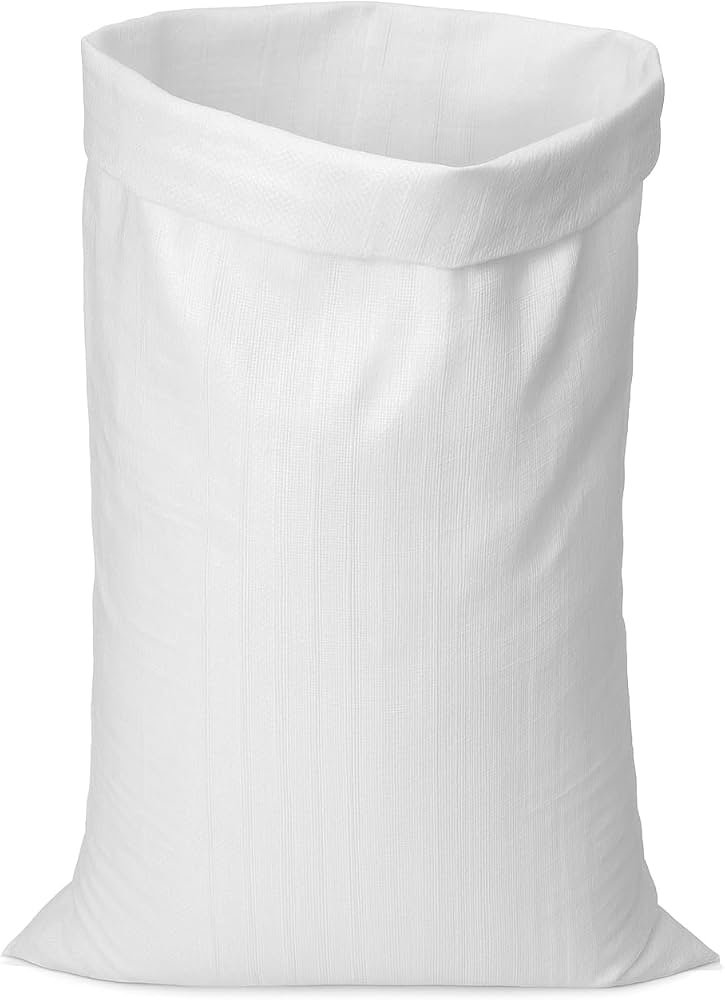
Checklist for Inspecting PP Woven Bags Before Receiving the Shipment
Receiving PP woven bags without a proper inspection checklist can expose buyers to risks such as incorrect specifications, hidden quality issues, and costly disputes.
This step-by-step checklist is written from a manufacturer’s expert perspective, and reflects real export and quality-control experience from TAN HUNG JSC VIETNAM.
Using this checklist helps importers, distributors, and factories verify compliance quickly and objectively before accepting goods.
Check Bag Dimensions
Incorrect dimensions are one of the most common issues found during receiving inspection.
What to Check
-
Bag width and length (edge to edge, flat measurement)
-
Tolerance against the approved specification
-
Consistency across random samples
Why It Matters
-
Incorrect size affects filling capacity
-
Can cause issues with automatic filling lines
-
Leads to unstable stacking and palletizing
Best Practice
Measure multiple bags from different bales, not just the top layer.
Check Bag Weight (GSM & Unit Weight)
Bag weight directly impacts strength and load performance.
What to Check
-
Weight per bag (grams/bag)
-
Consistency across samples
-
Comparison with agreed GSM and specification
Why It Matters
-
Lower-than-specified weight may indicate reduced strength
-
Overweight bags increase unnecessary cost
At TAN HUNG JSC VIETNAM, bag weight is controlled within defined tolerances to balance performance and cost efficiency.
Check Printing Quality
Printing defects are often cosmetic—but they can also signal process inconsistency.
What to Check
-
Logo clarity and color accuracy
-
Alignment and placement
-
Smudging, fading, or ink transfer
Why It Matters
-
Poor printing affects brand image
-
Misalignment may indicate production issues
Printing should match the approved artwork and sample, not just “look acceptable.”
Check Packaging & Bale Condition
Packaging quality affects both transport safety and warehouse handling.
What to Check
-
Number of bags per bale
-
Bale strapping strength
-
Protection against moisture and dirt
-
Clear labeling (size, quantity, batch number)
Why It Matters
-
Weak packaging leads to contamination or deformation
-
Missing labels complicate inventory control and claims
Sampling & Documentation Tips
To ensure fair and consistent inspection:
-
Use random sampling across multiple bales
-
Record photos and measurements
-
Compare results with approved samples and contract specs
-
Report discrepancies immediately, before use
A structured inspection process helps avoid subjective disputes later.
Expert Insight from the Manufacturer
Many receiving disputes arise not from poor production, but from unclear inspection criteria.
A clear checklist ensures:
-
Transparency between buyer and supplier
-
Faster resolution of issues
-
Stronger long-term supplier relationships
With extensive export experience, TAN HUNG JSC VIETNAM encourages customers to apply standardized inspection procedures to protect both sides.
Conclusion
A proper receiving inspection checklist is a critical risk-control tool when purchasing PP woven bags.
By checking dimensions, weight, printing, and packaging, buyers can ensure they receive exactly what was agreed—no more, no less.
In 2026 and beyond, professional sourcing means verifying quality before use, not reacting after problems occur.
