
 Español
 Русский


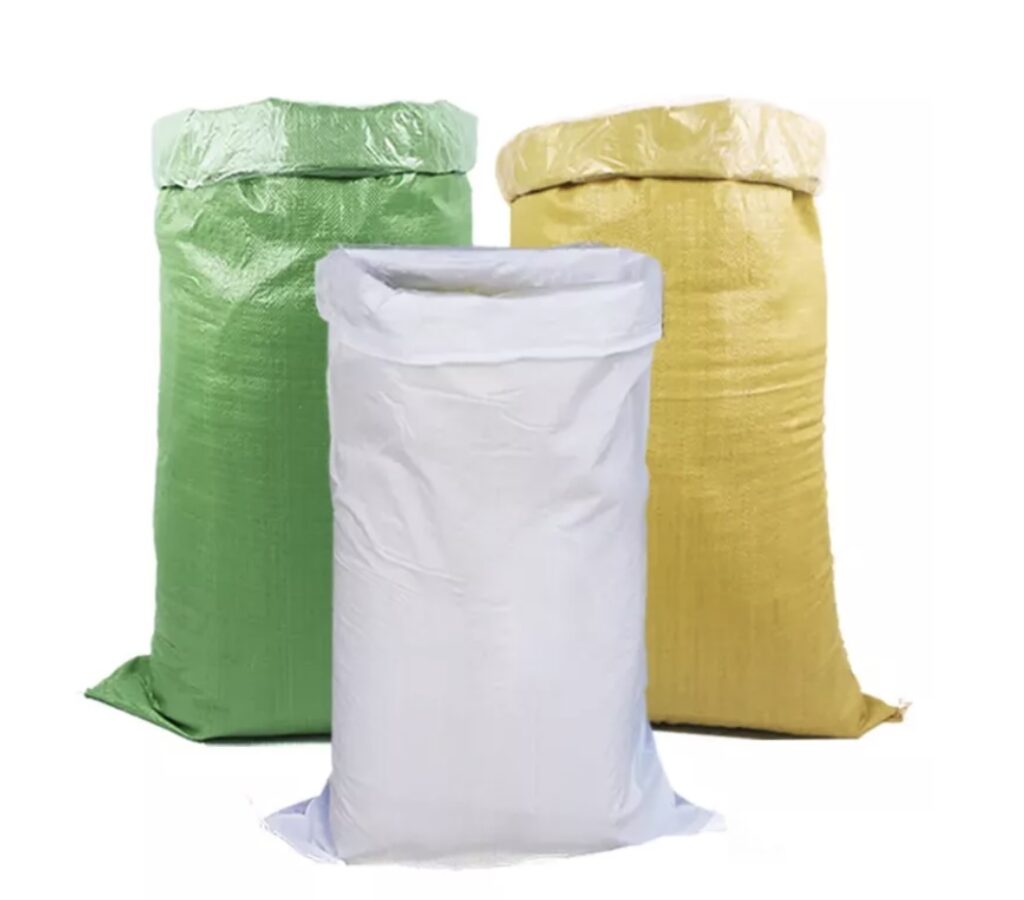
Common Quality Problems When Importing PP Woven Bags from China
A Risk Analysis & Prevention Guide for Mexican Importers (2026 Edition)
1. Why Quality Risk Is More Expensive Than Price Difference
Many Mexican importers choose Chinese PP woven bags based on lower FOB price.
However, the real question is not:
“Is the FOB cheaper?”
The real question is:
“What is the total operational risk cost?”
In 2026, quality-related failures can cause:
-
Production downtime
-
Product spillage
-
Customer complaints
-
Financial claims
-
Brand damage
For sugar, rice, fertilizer, and animal feed industries, bag failure is not a minor issue — it directly affects operations.
2. Under-GSM (Grammage) Reduction
What Happens?
Some suppliers reduce GSM (grams per square meter) below agreed specification to lower raw material cost.
Example:
-
Agreed: 60 gsm
-
Delivered: 55–57 gsm
Difference may look small — but tensile strength decreases significantly.
Impact in Mexico
-
Bag breakage during stacking
-
Failed drop test
-
Increased rejection rate
Savings of a few cents per bag can turn into operational loss.
3. Excessive Calcium (CaCO₃) Ratio
Polypropylene woven bags may include calcium filler.
While controlled addition reduces cost, excessive calcium causes:
-
Brittleness
-
Reduced flexibility
-
Lower tensile performance
-
Poor drop resistance
High calcium ratio is often used to offer lower FOB pricing.
Importers rarely detect this unless laboratory testing is performed.
4. Low Tensile Strength Yarn
Another common issue is yarn strength inconsistency.
Causes include:
-
Lower-grade resin
-
Improper extrusion tension
-
Recycled material mixing
Consequences:
-
Weak stitching performance
-
Side seam rupture
-
Burst during filling
For 50kg sugar bags, tensile weakness is unacceptable.
5. Mesh Count Manipulation
Mesh count (warp × weft) affects structural strength.
Some suppliers:
-
Reduce mesh density
-
Increase yarn width visually
-
Maintain appearance but reduce strength
This is difficult to detect without technical inspection.
Lower mesh density increases risk under stacking pressure.
6. Stitching & Bottom Seal Problems
Common issues include:
-
Inconsistent stitch density
-
Weak bottom fold
-
Improper seam overlap
Operational impact:
-
Bag opening during transport
-
Leakage of product
-
Customer return claims
Stitching control is often overlooked during inspection.
7. Lamination Delamination (For Laminated Bags)
For laminated PP woven bags:
Problems may include:
-
Poor adhesion
-
Uneven lamination thickness
-
Surface cracking
In humid climates, poor lamination can peel or weaken.
This affects durability in Mexico’s agricultural environments.
8. Weight Inconsistency Within Container
Even when average GSM appears correct, weight variation between bags may occur.
Reasons:
-
Inconsistent extrusion
-
Poor QC sampling
-
Production line variation
High variability increases rejection rate and quality complaints.
9. Lead Time & Production Pressure Risk
Large-scale Chinese suppliers often operate at very high capacity.
During peak season:
-
Production may be rushed
-
QC inspection may be reduced
-
Raw material substitution may occur
Speed pressure increases quality variability.
10. Hidden Cost of Quality Failure
Quality issues create indirect cost:
-
Return logistics
-
Production delay
-
Emergency local purchase
-
Brand reputation loss
These costs are rarely included when comparing FOB price.
Total Landed Cost should include:
FOB
-
Freight
-
Duty
-
Quality risk factor
-
Delay risk factor
11. How to Prevent Quality Problems
Professional importers should:
-
Define clear GSM tolerance range.
-
Specify acceptable calcium ratio.
-
Require tensile strength testing.
-
Implement AQL-based inspection.
-
Conduct random drop tests.
-
Secure rolling production schedule instead of last-minute orders.
Prevention is cheaper than claims.
12. Diversification Strategy
Instead of sourcing 100% from one country, many importers:
-
Diversify 30–50% volume to secondary supplier
-
Compare performance stability
-
Reduce concentration risk
Supply chain diversification reduces long-term exposure.
13. Strategic Evaluation Model for 2026
When evaluating suppliers, ask:
-
Do they explain resin sourcing?
-
Do they disclose calcium ratio?
-
Do they define tensile standards?
-
Do they provide inspection transparency?
-
Do they plan capacity expansion?
Lowest price rarely equals lowest cost.
14. How Tan Hung Approaches Quality Control
Based on export experience to Mexico and Central America:
-
Defined GSM tolerance
-
Controlled PP/CaCO₃ ratio
-
Structured inspection standards
-
Production scheduling discipline
-
Transparent documentation
The focus is stability — not opportunistic pricing.
Conclusion
Common quality problems when importing PP woven bags from China include:
-
Under-GSM
-
High calcium ratio
-
Weak tensile yarn
-
Stitch inconsistency
-
Lamination defects
Importers who prioritize Total Landed Cost and risk control will outperform price-driven competitors.
Quality stability is a strategic advantage — not a cost.
