
 Español
 Русский


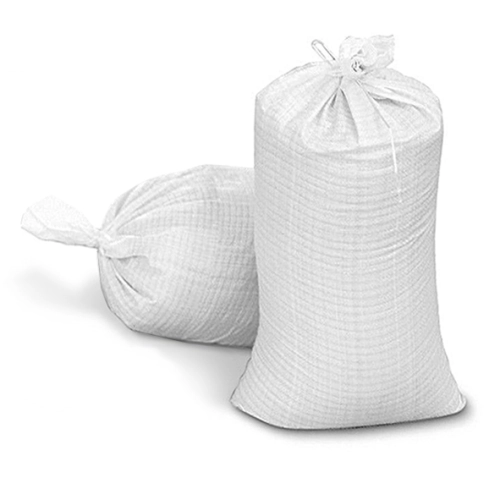
Vietnam vs China PP Woven Bags for Canadian Market
A 2026 Strategic Comparison for Importers
1. Why Canadian Importers Are Re-Evaluating Sourcing in 2026
For many years, China has been a dominant supplier of PP woven bags to Canada.
However, in 2026, Canadian importers are increasingly comparing:
-
Vietnam vs China PP woven bags
-
Tariff exposure
-
Supply chain risk
-
Production stability
-
Long-term cost predictability
The comparison is no longer about FOB price alone.
It is about structural competitiveness and supply chain resilience.
2. Tariff Advantage Under CPTPP
Vietnam and Canada are both members of the
Comprehensive and Progressive Agreement for Trans-Pacific Partnership (CPTPP).
Under CPTPP:
-
Qualified Vietnamese PP woven bags may benefit from reduced or 0% duty.
-
Proper Rules of Origin documentation is required.
China is not a CPTPP member.
For Canadian importers moving consistent monthly volume, tariff advantage can create structural cost savings over time.
3. FOB Price vs Total Landed Cost
When comparing Vietnam vs China PP woven bags for Canada, professional buyers calculate:
Total Landed Cost =
FOB
-
Freight
-
Duty
-
Port charges
-
Quality risk factor
-
Delay risk factor
Even if FOB from China appears slightly lower, Vietnam may become competitive after factoring:
-
CPTPP tariff benefit
-
Freight optimization
-
Quality stability
Long-term competitiveness depends on full cost structure.
4. Production Stability & Capacity Planning
China:
-
Larger overall manufacturing scale
-
High peak-season capacity pressure
-
Production scheduling influenced by domestic demand
Vietnam:
-
Export-oriented production focus
-
Increasing investment in modern looms
-
Growing capacity expansion in 2026–2027
Canadian buyers seeking long-term stable supply should evaluate:
-
Lead time consistency
-
Capacity transparency
-
Production scheduling discipline
Stability often matters more than scale.
5. Lead Time & Transit to Canada
Typical routes:
-
China → Vancouver
-
Vietnam → Vancouver
-
Vietnam → Montreal (via transshipment)
Transit time differences are often marginal compared to:
-
Production planning discipline
-
Booking timing
-
Port congestion
Predictable lead time is a competitive advantage in seasonal agricultural packaging markets.
6. Quality Consistency & Raw Material Structure
Common quality risks in price-driven sourcing markets include:
-
Under-GSM production
-
Excessive calcium ratio
-
Tensile inconsistency
-
Stitch density variation
Canadian importers should define:
-
GSM tolerance
-
Minimum tensile strength
-
PP/CaCO₃ ratio limit
-
Drop test requirements
Lowest FOB often correlates with structural compromise.
Stable quality reduces long-term operational risk.
7. Freight Volatility & Container Optimization
Freight to Canada fluctuates with:
-
Vessel capacity
-
Fuel cost
-
Seasonal demand
Freight per bag depends on:
Total container freight ÷ Total bags loaded
Optimized container loading (25–26 MT where technically safe) reduces per-unit cost regardless of origin.
Strategic freight engineering often offsets small FOB differences.
8. Diversification Strategy for Canadian Importers
Many Canadian importers previously relied heavily on China.
In 2026, structured diversification strategy includes:
-
Core supplier
-
Secondary supplier
-
Trade agreement leverage
Vietnam increasingly serves as a structured diversification partner.
Diversification improves:
-
Negotiation leverage
-
Policy risk management
-
Long-term supply stability
9. Long-Term Strategic Considerations (2026–2030)
Forward-looking Canadian buyers evaluate:
-
Supplier capacity expansion roadmap
-
Sustainability compliance
-
Documentation transparency
-
Rolling contract capability
Vietnamese manufacturers investing in new production lines provide scalable growth potential.
Strategic sourcing requires future visibility.
10. When Vietnam May Be Advantageous
Vietnam may be preferable when:
-
CPTPP tariff benefit is significant
-
Long-term rolling contract is planned
-
Diversification strategy is implemented
-
Capacity expansion transparency is required
11. When China May Remain Competitive
China may remain competitive when:
-
Spot purchasing is required
-
Large short-term volume is needed
-
Existing long-term relationship exists
However, reliance on single origin increases structural risk.
12. Strategic Recommendation for 2026
Canadian importers should:
-
Compare Total Landed Cost — not FOB only.
-
Leverage CPTPP documentation properly.
-
Implement rolling forecast planning.
-
Optimize container loading efficiency.
-
Diversify supply origin to reduce concentration risk.
Balanced sourcing reduces volatility exposure.
13. How Tan Hung Supports Canadian Market
Based on export alignment with North America:
-
CPTPP-compliant documentation
-
Structured production scheduling
-
Defined GSM tolerance control
-
Engineered container loading
-
Capacity expansion roadmap
The objective is predictable, scalable monthly supply.
Conclusion
Vietnam vs China PP woven bags for the Canadian market in 2026 is not a simple price comparison.
It is a strategic evaluation of:
-
Tariff advantage
-
Production stability
-
Quality discipline
-
Freight efficiency
-
Diversification value
Canadian importers who adopt a risk-adjusted sourcing model will gain long-term competitive advantage.
