
 English
 Español


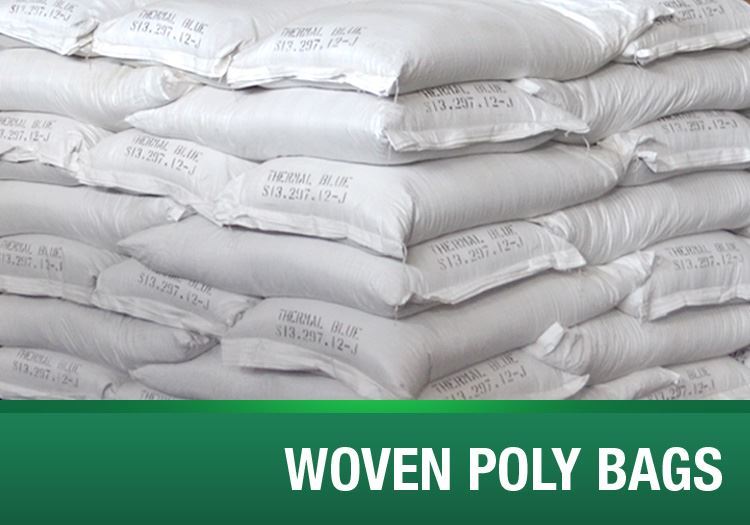
Quality Standards and Certifications for PP Woven Bags: What Businesses Must Know in 2025
Polypropylene (PP) woven bags have become a cornerstone of modern packaging solutions across industries such as agriculture, food, retail, and industrial manufacturing. Known for their durability, versatility, and cost-effectiveness, PP woven bags are widely used for storing and transporting goods.
However, selecting the right PP woven bags is not just about material and size. Businesses must ensure that the bags comply with essential quality standards and certifications to guarantee safety, reliability, and regulatory compliance. In 2025, certified PP woven bags play a critical role in protecting goods, maintaining product integrity, and supporting sustainable practices.
This guide explores the key quality standards and certifications for PP woven bags and highlights what businesses should look for in a trusted supplier.
1. Why Quality Standards Matter for PP Woven Bags
Quality standards are essential because they ensure PP woven bags perform reliably under demanding conditions. Whether used for food packaging, agricultural products, or industrial materials, bags must meet certain specifications to:
-
Carry heavy loads safely without tearing or bursting.
-
Protect contents from moisture, contamination, and UV exposure.
-
Comply with global and industry-specific regulations, particularly in sensitive sectors like food and chemicals.
Using certified PP woven bags gives businesses peace of mind, safeguarding product quality and ensuring compliance with safety and environmental regulations. Non-certified or substandard bags can lead to damaged goods, financial loss, and legal issues.
2. Key Quality Standards and Certifications
PP woven bags must adhere to a range of international and regional standards depending on their application. The following certifications and standards are critical for businesses in 2025:
2.1 ISO Certifications
ISO (International Organization for Standardization) certifications are globally recognized benchmarks that ensure consistent quality and safe production practices. Key ISO certifications for PP woven bags include:
-
ISO 9001: Quality Management System
This certification ensures that manufacturers have a structured quality management system (QMS) in place. ISO 9001-certified suppliers maintain consistent production processes, minimize defects, and deliver high-quality PP woven bags that meet customer requirements. -
ISO 14001: Environmental Management System
For businesses focused on sustainability, ISO 14001-certified PP woven bag suppliers demonstrate environmentally responsible production practices. This includes reducing waste, using recycled materials, and minimizing energy consumption during manufacturing. -
ISO 22000: Food Safety Management System
Suppliers producing food-grade PP woven bags must comply with ISO 22000 standards, guaranteeing that bags are safe for direct contact with food products such as rice, flour, sugar, and grains.
2.2 Food-Grade Certifications (FDA and EU Compliance)
For food packaging, using certified PP woven bags is critical to prevent contamination and meet regulatory requirements. Key certifications include:
-
FDA Compliance (U.S.)
The U.S. Food and Drug Administration regulates materials that come in contact with food. PP woven bags used for food storage or transportation in the U.S. must comply with FDA guidelines, ensuring they are free from harmful chemicals and safe for human consumption. -
EU Food Safety Certification
In the European Union, PP woven bags must meet strict food contact regulations. EU-compliant bags guarantee that no toxic chemicals leach into food products during storage or transport, making them safe for international trade.
Food-grade certifications are particularly important for agriculture, food processing, and retail sectors, where compliance ensures product integrity and customer trust.
2.3 UV-Resistance Standards
PP woven bags used for outdoor storage—such as fertilizers, grains, sand, or construction materials—are exposed to sunlight, which can degrade polypropylene over time.
-
UV-stabilized bags include additives that prevent material degradation, maintaining tensile strength and durability under prolonged sun exposure.
-
UV-resistant PP woven bags reduce product loss, extend bag lifespan, and ensure reliable performance for outdoor applications.
2.4 REACH Compliance
REACH (Registration, Evaluation, Authorization, and Restriction of Chemicals) is an EU regulation that applies to chemical substances in products.
-
PP woven bags used for industrial or chemical applications must comply with REACH to ensure no harmful substances are released during use.
-
REACH-compliant bags enhance safety for workers and end-users while supporting sustainable manufacturing practices.
2.5 BIS Certification (India-Specific)
In India, the Bureau of Indian Standards (BIS) regulates PP woven bags used for packaging grains, fertilizers, and food products.
-
BIS-certified bags meet national quality and safety guidelines, ensuring that they are safe for agricultural and food applications.
-
Businesses sourcing PP woven bags in India should prioritize BIS-certified suppliers to ensure compliance with local regulations.
3. What to Look for in a Certified PP Woven Bag Supplier
Choosing the right supplier is as important as selecting the right bag type. A certified PP woven bag supplier should meet the following criteria:
3.1 Certifications and Compliance
-
ISO Certifications: Confirm that the supplier has ISO 9001, ISO 14001, and ISO 22000 where relevant.
-
Food-Grade Certifications: Check for FDA or EU compliance if the bags are intended for food use.
-
REACH Compliance: Ensure compliance if the bags are used for chemicals or industrial applications.
3.2 Quality Control Processes
-
Inspect Sample Products: Examine bag strength, stitching, lamination, and UV resistance before bulk orders.
-
Audit Reports: Request documentation on the supplier’s quality management systems and production audits to verify consistency.
3.3 Customization Capabilities
Many businesses require PP woven bags with custom branding, logos, sizes, and colors. A reliable supplier should offer:
-
Flexographic or digital printing for logos and product information.
-
Custom sizing and weight options to fit specific product needs.
-
Laminated or UV-treated options for specialized applications.
3.4 Production Capacity and Lead Times
-
Confirm that the supplier can meet order volumes without delays.
-
Check production schedules and logistics support to ensure timely delivery.
3.5 Sustainability Practices
-
Look for suppliers using recycled polypropylene or implementing environmentally friendly production methods.
-
Suppliers following ISO 14001 standards demonstrate commitment to green manufacturing practices.
4. Conclusion: The Importance of Certified PP Woven Bags
Certified PP woven bags are essential for businesses that want reliable, safe, and sustainable packaging solutions. By ensuring compliance with ISO, FDA, EU, REACH, and UV-resistance standards, companies can protect products, meet industry regulations, and enhance their brand reputation.
When selecting a supplier, prioritize:
-
Verified certifications and compliance records.
-
Strong quality control processes and audit documentation.
-
Customization capabilities for logos, sizes, and lamination.
-
Sufficient production capacity and reliable delivery.
-
Commitment to sustainability and eco-friendly practices.
By choosing certified PP woven bags from a reputable supplier, businesses can confidently package and transport goods—whether for food, agriculture, or industrial applications—knowing their products meet the highest global standards for safety, durability, and environmental responsibility.
Certified PP woven bags are not just packaging—they are a commitment to quality, compliance, and sustainable business practices in 2025 and beyond.
