
 English
 Español


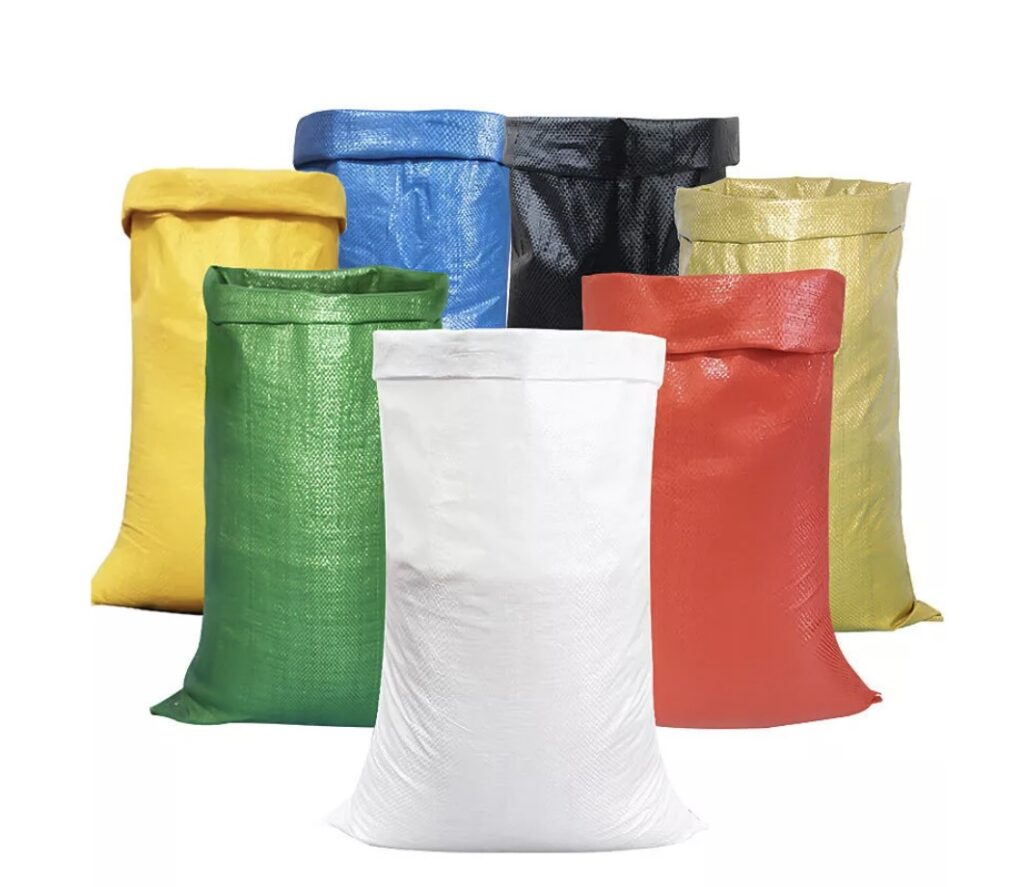
PP Laminated: A Comprehensive Guide to High-Performance Packaging Solutions
Polypropylene laminated, commonly referred to as PP laminated, has become a cornerstone of modern packaging. Combining strength, clarity, and efficiency, PP laminated packaging offers superior performance across food, pharmaceutical, electronics, and industrial applications. In this guide, we explore the science, design, manufacturing, applications, and sustainability of PP laminated, providing actionable insights for engineers, designers, and business leaders.
Understanding PP Laminated
PP laminated refers to a composite material where polypropylene (PP) is bonded with protective layers such as films, foils, adhesives, or coatings. This lamination enhances barrier properties, printability, mechanical strength, and durability. Unlike standard polypropylene, which is lightweight but limited in barrier performance, PP laminated materials can resist moisture, oxygen, and external contamination while offering a high-quality surface for printing and branding.
The foundation of PP laminated lies in polypropylene, a thermoplastic polymer valued for its chemical resistance, flexibility, and lightweight strength. Lamination adds extra layers, creating a composite material capable of meeting the most demanding packaging requirements.
Material Science and Benefits of PP Laminated
Strength and Durability
PP laminated provides exceptional tensile strength, enabling it to withstand mechanical stress, stacking, and rough handling during transportation and storage. The combination of polypropylene with lamination layers ensures that the packaging remains intact under challenging conditions, minimizing product loss.
Moisture and Gas Barrier
A major advantage of PP laminated is its superior barrier performance. Laminated layers, such as nylon, EVOH, or polyethylene, prevent moisture, oxygen, and other environmental factors from affecting the packaged product. This is particularly important for perishable goods like food, pharmaceuticals, and sensitive industrial materials.
Printability and Branding
The surface of PP laminated materials is ideal for high-resolution printing, allowing vibrant colors, logos, and detailed graphics. Brands can enhance shelf visibility, improve consumer recognition, and maintain professional presentation while protecting their products.
Process Flexibility
Two primary lamination methods are used in creating PP laminated materials:
-
Film Lamination: Involves bonding a discrete laminate layer with adhesives for precision thickness, optical clarity, and enhanced barrier properties.
-
Thermo-Lamination: Uses heat and pressure to fuse layers, offering a smooth surface finish and potentially faster production with fewer adhesive-related concerns.
Selecting the appropriate method depends on production speed, product requirements, barrier needs, and compatibility with downstream processes.
Design and Manufacturing Considerations
When designing PP laminated packaging, engineers and designers must consider aesthetics, usability, and manufacturability.
Surface Finish and Aesthetic Appeal
The lamination layer contributes significantly to the visual and tactile experience. Glossy or matte finishes influence consumer perception, grip, and barcode readability. Designers must collaborate with packaging engineers to achieve the desired color fidelity, gloss level, and surface durability while maintaining functional performance.
Manufacturing Compatibility
Lamination lines must handle materials consistently, controlling temperature, pressure, and dwell time. Misalignment or improper processing can cause delamination or defects, affecting both appearance and functionality. Pilot runs, statistical process control, and routine maintenance ensure consistent quality during production.
Printability
The choice of printing technology—flexographic, rotogravure, or digital—must align with the laminate’s surface properties. Proper surface energy, ink selection, and post-treatment coatings ensure sharp graphics, vibrant colors, and long-lasting prints.
Cost Efficiency
PP laminated may add material and processing costs, but its durability, barrier properties, and branding benefits often justify the investment. Total cost of ownership (TCO) should be evaluated, considering material efficiency, reduced product damage, and shipping benefits from lighter yet strong laminates.
Real-World Applications of PP Laminated
PP laminated packaging is versatile and widely used across industries.
Consumer Packaged Goods (CPG)
Snack pouches, coffee bags, and other CPG items benefit from PP laminated packaging due to its durability, moisture resistance, and vibrant print capabilities. Lamination ensures freshness while enhancing shelf appeal.
Pharmaceutical and Medical Packaging
PP laminated packaging protects medical devices, labels, and pharmaceuticals from chemical exposure, moisture, and abrasion. Its tamper-evident properties and compatibility with sterilization processes make it ideal for healthcare applications.
Electronics and Industrial Applications
PP laminated is used for protective inserts, tamper-evident packaging, and moisture-resistant films for electronics. It safeguards sensitive components during shipping and storage while providing a professional and branded presentation.
Best Practices
-
Define performance targets early, including barrier, print, and durability requirements.
-
Test across environmental conditions such as temperature, humidity, and UV exposure.
-
Integrate sustainability considerations, including recyclability and material reduction.
Sustainability and Lifecycle Thinking
Sustainability is a growing focus in packaging design. While laminated structures are more challenging to recycle than mono-materials, innovations in mono-material laminates and easy-separation processes are helping address these challenges.
Material Reduction
Thinner laminates reduce material usage and shipping weight, lowering transportation emissions and costs while maintaining barrier performance. Field testing ensures that lighter materials still protect the product effectively.
Circular Economy
Designing for recyclability and end-of-life disassembly is essential. Choosing compatible barrier layers and documenting environmental considerations can help brands meet sustainability goals without compromising packaging integrity.
Future Trends
Emerging trends include smart barrier materials, recycled-content laminates, and fully recyclable PP laminated packaging. Brands increasingly prioritize materials that balance performance, sustainability, and consumer appeal.
Frequently Asked Questions (FAQs)
What is PP laminated?
PP laminated is a composite of polypropylene and additional layers like adhesives or films, providing enhanced barrier performance, printability, and durability.
How does lamination affect recycling?
Lamination can complicate recycling due to multiple bonded layers, but mono-material laminates and separation-friendly designs improve recyclability.
Film vs. thermo-lamination: Which is better?
Film lamination offers strong barriers and adhesion, while thermo-lamination gives cleaner surfaces and faster production. Choice depends on product and line requirements.
How to improve printability?
Manage surface energy, select compatible inks, use primers or coatings, and validate color profiles to ensure consistent, high-quality prints.
How to maintain PP laminated packaging over time?
Ensure proper sealing, barrier integrity, UV and moisture protection, and follow end-of-life disposal guidelines. Regular quality checks and accelerated aging tests support longevity.
Conclusion
PP laminated is a versatile, high-performance packaging solution that combines durability, barrier protection, and premium aesthetics. Its applications span consumer goods, food, pharmaceuticals, electronics, and industrial sectors, making it an essential material in modern packaging.
By aligning material choices, lamination techniques, and process control with product goals, businesses can achieve a balance of performance, cost-efficiency, and environmental responsibility.
From moisture resistance and printability to sustainability and lifecycle thinking, PP laminated packaging ensures products are protected, visually appealing, and aligned with modern consumer and regulatory expectations.
For brands looking to enhance product protection, shelf appeal, and sustainability, PP laminated provides a reliable, innovative, and future-ready packaging solution.
