
 English
 Español


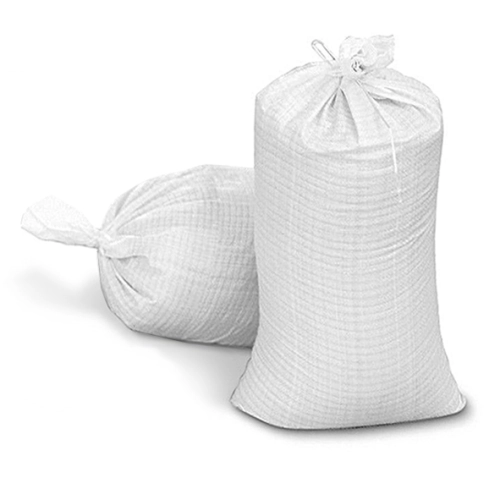
Polypropylene Bags – Durable, Versatile, and Eco-Friendly Packaging Solution
Polypropylene bags, commonly known as PP bags, have become a cornerstone in modern packaging. Their strength, durability, and cost-effectiveness make them a preferred choice across industries—from agriculture and food processing to construction and retail. Designed to carry heavy loads, resist moisture, and endure demanding handling, polypropylene bags offer businesses a reliable, sustainable, and highly versatile packaging solution.
In this guide, we’ll explore why PP bags are essential, their manufacturing process, types, benefits, and how they can support your business while promoting eco-friendly practices.
Why Choose Polypropylene Bags?
Polypropylene bags combine practicality, durability, and environmental responsibility. Here are the key reasons businesses worldwide opt for PP bags:
1. High Durability
PP bags are woven or non-woven from polypropylene, a thermoplastic polymer known for its toughness. This woven structure gives the bags exceptional resistance to tearing, stretching, and puncturing. Whether transporting grains, sugar, rice, cement, or fertilizers, PP bags ensure that products reach their destination intact.
Durability also translates into multiple uses: many PP bags can be reused several times without losing their strength, helping businesses reduce packaging costs over time.
2. Moisture and Weather Resistance
One of the most significant advantages of PP bags is their resistance to water, moisture, and weather conditions. Laminated polypropylene bags, in particular, provide an extra layer of protection against rain, humidity, and UV exposure.
This makes them ideal for outdoor storage or long-distance transportation, where protecting contents from environmental elements is crucial.
3. Lightweight and Cost-Effective
Despite their robustness, polypropylene bags are lightweight. This reduces shipping and handling costs while maintaining structural integrity. Compared to other bulk packaging materials like jute or paper sacks, PP bags offer better cost efficiency, especially for large-scale operations.
Lightweight bags also improve logistics efficiency, allowing businesses to transport more goods per shipment while minimizing fuel costs.
4. Eco-Friendly and Recyclable
Modern businesses are increasingly aware of their environmental footprint. PP bags are recyclable and reusable, making them an eco-friendly alternative to single-use plastics. With proper collection and recycling systems, used polypropylene bags can be repurposed into new packaging products, contributing to a circular economy.
For businesses seeking to align with sustainability goals, adopting PP bags demonstrates a commitment to responsible packaging.
Common Uses of Polypropylene Bags
PP bags are highly versatile and serve a wide range of industries:
-
Agriculture: Ideal for packing grains, rice, wheat, corn, seeds, and fertilizers. The bags protect contents from moisture, dust, and pests during storage and transport.
-
Food Industry: Used to store and transport rice, sugar, flour, salt, spices, and other bulk food products. Transparent or laminated PP bags also allow for easy inspection while maintaining hygiene.
-
Construction: Perfect for carrying cement, sand, gravel, and other heavy materials. PP bags’ strength ensures safe handling even under extreme weight conditions.
-
Retail and Promotional Packaging: Non-woven PP bags are commonly used as reusable shopping bags or promotional giveaways. Custom printing on PP bags helps brands increase visibility and customer engagement.
The adaptability of PP bags makes them an essential solution in almost every sector requiring packaging, storage, or transport of goods.
Types of Polypropylene Bags
Understanding the different types of PP bags helps businesses select the right packaging solution for their needs:
1. Woven Polypropylene Bags
These bags are constructed from interlaced polypropylene strips, making them extremely strong and tear-resistant. They are ideal for bulk products and heavy-duty applications, such as grains, fertilizers, or industrial materials.
Advantages:
-
High tensile strength
-
Long lifespan for repeated use
-
Can be laminated for moisture protection
2. Non-Woven Polypropylene Bags
Non-woven PP bags are made from bonded polypropylene fibers rather than woven strips. They are lightweight, flexible, and popular for retail or promotional use. Non-woven PP bags can be easily customized with printing or branding.
Advantages:
-
Lightweight and portable
-
Highly customizable
-
Eco-friendly and reusable
3. Laminated Polypropylene Bags
Laminated PP bags include a thin film layer for enhanced moisture, UV, and chemical resistance. This type of bag is particularly suitable for food products, chemicals, and other sensitive items requiring additional protection.
Advantages:
-
Superior barrier against moisture and dust
-
Suitable for long-term storage
-
Allows for high-quality printed branding
4. Printed PP Bags
PP bags can be customized with company logos, product information, or marketing designs using rotogravure or flexographic printing. Printed PP bags serve dual purposes: packaging and brand promotion.
Advantages:
-
Enhances brand visibility
-
Ideal for retail and promotional use
-
Maintains structural strength
Benefits of Using Polypropylene Bags
The adoption of PP bags offers several tangible advantages for businesses:
-
Protection of Products – Their robust construction safeguards contents from damage, moisture, and contamination.
-
Cost Savings – Lightweight, reusable, and durable, PP bags reduce both packaging and transportation expenses.
-
Branding Opportunities – Custom printing enhances brand recognition and provides a professional look.
-
Sustainability – Reusable and recyclable, PP bags support eco-friendly initiatives and reduce plastic waste.
-
Versatility – Suitable for various industries and product types, including heavy, bulk, or delicate items.
How PP Bags Support Sustainable Business Practices
Sustainability is no longer optional—it’s essential. Polypropylene bags contribute to environmental stewardship in several ways:
-
Recyclability: Used PP bags can be collected and processed into new products, reducing landfill waste.
-
Reusability: Many PP bags are strong enough for multiple uses, reducing the need for single-use packaging.
-
Eco-friendly Alternatives: Some manufacturers are producing bio-based or biodegradable PP bags to further minimize environmental impact.
By integrating PP bags into their packaging strategy, businesses can reduce waste, lower their carbon footprint, and appeal to eco-conscious consumers.
Choosing the Right Polypropylene Bag
Selecting the best PP bag depends on the intended use, product type, and environmental conditions:
-
For heavy bulk goods: Woven PP bags with high tensile strength are ideal.
-
For moisture-sensitive products: Laminated or coated PP bags provide extra protection.
-
For retail and promotions: Non-woven or printed PP bags enhance brand visibility and customer experience.
-
For sustainable operations: Opt for recyclable, reusable, or biodegradable PP bags.
Matching the bag type to your specific needs ensures efficiency, cost savings, and product safety.
Conclusion
Polypropylene bags are more than just packaging—they are a practical, sustainable, and cost-effective solution for businesses across industries. Their durability, flexibility, and moisture resistance make them ideal for transporting and storing products ranging from grains and chemicals to retail items and promotional goods.
Whether you need woven, non-woven, laminated, or custom-printed PP bags, these versatile products offer strength, reliability, and branding opportunities while supporting eco-friendly initiatives. By choosing polypropylene bags, businesses can reduce costs, enhance operational efficiency, and contribute to a more sustainable packaging ecosystem.
For companies seeking a durable, versatile, and environmentally responsible packaging solution, polypropylene bags remain the ultimate choice.
