
 English
 Español


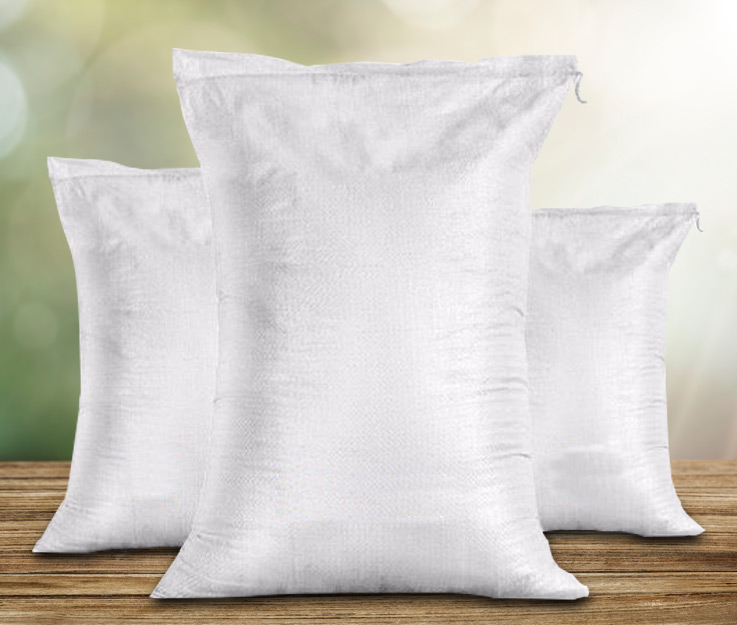
PP Fabric Bags: Durable, Stylish, and Sustainable Everyday Solutions
The PP fabric bag has evolved far beyond a simple tote. It represents a fusion of durability, design versatility, and environmental responsibility. These bags are widely used in retail, corporate branding, and daily life, offering a practical, stylish, and reusable alternative to single-use plastics. From material science and functional design to sustainability and consumer behavior, PP fabric bags have proven their value across industries. This article explores why these bags are a smart choice for both businesses and everyday users.
1. Material Science: Why the PP Fabric Bag Stands Out
The strength of a PP fabric bag begins with its material: polypropylene (PP). As a thermoplastic polymer, PP offers a high strength-to-weight ratio, excellent chemical and moisture resistance, and exceptional durability under repeated use. These properties make it ideal for bags that carry heavy loads, resist wear and tear, and endure long-term usage.
PP fibers can be woven into fabrics with different textures and densities, allowing manufacturers to tailor stiffness, flexibility, and visual appeal. From smooth, glossy surfaces to tactile, textured finishes, this versatility ensures PP fabric bags meet diverse needs—from grocery shopping to promotional events.
The production process enhances these intrinsic material properties. Techniques such as lamination, extrusion, and coating improve water resistance, UV stability, and tear strength. Advanced weaving patterns allow designers to create bags that are both functional and visually appealing. This combination of material science and manufacturing innovation ensures consistent performance, even under heavy daily use.
Sustainability is another critical consideration. PP fabric bags often replace single-use plastic bags, helping reduce environmental impact. While recyclability can be affected by coatings or laminates, responsible manufacturers use compatible finishes and encourage take-back programs. Educating consumers about proper disposal and reuse is essential to maximize the environmental benefits of PP bags.
2. Design and Usability: Beyond Functionality
A PP fabric bag is more than a practical carrier—it’s a design platform. Ergonomics, aesthetics, and organization are critical components of usability. Thoughtful design ensures weight distribution, comfort, and intuitive access to everyday essentials. Features such as reinforced handles, adjustable straps, and ergonomic stitching reduce strain during prolonged use, making the bag ideal for commuting, shopping, or travel.
Interior organization is equally important. Modular dividers, pockets, pen slots, and laptop compartments keep items orderly and protected. Well-planned interiors reduce clutter, protect delicate items, and improve user satisfaction. These details are especially appealing to professionals and students who value efficiency in their daily routines.
Branding opportunities make PP fabric bags a powerful marketing tool. Logos, patterns, or messaging can be applied using embroidery, screen printing, heat transfer, or debossing. Each method ensures durability, colorfastness, and clarity, making the bag a lasting reflection of a brand’s identity. Businesses leverage these bags for promotions, events, and corporate gifting, combining functionality with strategic marketing impact.
Color and texture choices further enhance aesthetic appeal. Designers balance bold tones with earthier hues to create visually compelling products that are easy to maintain. Matte or glossy finishes, quilted textures, and ribbed panels elevate perceived value without sacrificing practicality. The end result is a bag that is contemporary, versatile, and capable of carrying both items and brand stories.
3. Practical Performance: Everyday Reliability
The hallmark of a PP fabric bag is its combination of strength and practical performance. Moisture resistance, stain protection, and durability are critical for everyday use, from grocery shopping to outdoor activities. Well-engineered PP fabric bags maintain structure even under heavy loads, resist water penetration, and allow sufficient airflow to prevent odors and moisture buildup.
Care routines prolong bag life. Spot cleaning with mild detergent, air drying, and avoiding direct sunlight preserve color and material integrity. For bags exposed to damp or heavy items, thorough drying helps prevent mold and odor accumulation. These simple steps extend the bag’s lifespan, reduce waste, and improve its environmental profile.
4. Sustainability and Lifecycle Considerations
Sustainability is a key advantage of PP fabric bags. They reduce reliance on disposable plastics and, when reused properly, lower environmental impact. Circularity is achieved through design for disassembly, use of recyclable finishes, and partnerships with recycling programs. Manufacturers incorporating recycled PP (post-consumer content) help close the loop, reducing demand for virgin materials.
Consumer behavior is critical to realizing environmental benefits. Reuse, proper cleaning, and participation in take-back programs ensure the bag’s potential for reducing waste is fully realized. Clear labeling, educational campaigns, and convenient recycling options support responsible usage and encourage repeat behaviors that minimize environmental impact.
Lifecycle assessments (LCAs) are increasingly employed to quantify environmental effects, guiding design decisions and promoting transparency. These assessments cover production, use, and end-of-life stages, helping brands demonstrate measurable impact and meet sustainability commitments.
5. Choosing and Maintaining the Right PP Fabric Bag
Selecting a PP fabric bag depends on intended use. For grocery shopping, prioritize reinforced seams, strong handles, and ample capacity. For corporate gifting, focus on branding, color, and aesthetic appeal. For commuting or travel, weight distribution, secure closures, and internal organization are critical.
Maintenance is straightforward. Clean with mild detergent, air dry, and avoid prolonged sun exposure. Prevent damage by following manufacturer guidelines, especially for bags with metal hardware or coated surfaces. Regular care preserves color, structure, and longevity, enhancing both usability and sustainability.
Customization enhances functionality and branding. Options include embroidery, heat transfer, and screen printing. Eco-conscious customization using water-based inks or low-impact dyes supports environmental goals while maintaining bag durability. Real-world use cases—from market vendors to universities to eco-conscious brands—demonstrate the adaptability and credibility of PP fabric bags across contexts.
6. FAQs About PP Fabric Bags
How long can a PP fabric bag last?
With proper care, a well-made bag can last several years under regular use.
Are PP fabric bags recyclable?
Yes, though recyclability depends on coatings and hardware. Follow local guidelines and manufacturer instructions.
Can they replace single-use plastics?
Absolutely. Repeated use significantly reduces plastic waste and environmental impact.
How to customize for branding?
Embroidery, screen printing, heat transfer, or debossing ensure vibrant, long-lasting branding.
What are the best care practices?
Spot clean, air dry, avoid harsh chemicals, and store in a cool, shaded place.
Conclusion
The PP fabric bag exemplifies a balance of durability, design flexibility, and sustainability. From material science to aesthetic and functional design, these bags combine resilience with practicality, making them suitable for daily use, corporate gifting, or promotional campaigns. By prioritizing proper use, maintenance, and responsible disposal, both brands and consumers can maximize the bag’s value while supporting environmental goals.
A well-designed PP fabric bag is more than a simple tote—it is a functional, stylish, and environmentally responsible solution for modern living, bridging utility, brand identity, and sustainable practices in a single, versatile product.
