
 Español
 Русский


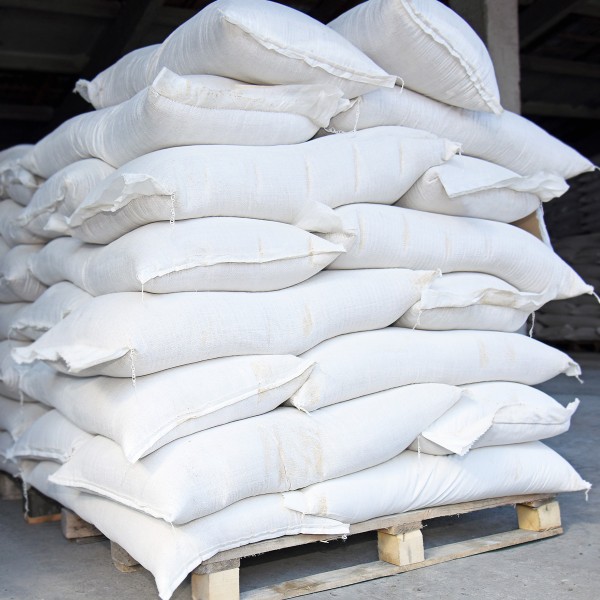
PP Woven Sacks: A Versatile, Durable, and Sustainable Packaging Solution
PP woven sack, also known as polypropylene woven sacks, are one of the most widely used packaging solutions in industries ranging from agriculture and construction to food and industrial goods. Made from woven strands of polypropylene (PP), these sacks offer unmatched strength, durability, and versatility, making them ideal for packaging a wide variety of products.
Polypropylene itself is a lightweight, durable, and chemically resistant thermoplastic, which gives PP woven sacks their exceptional qualities. In this guide, we’ll explore why PP woven sacks are preferred by businesses worldwide, their applications, production process, and how to choose the right supplier for your packaging needs.
Why Choose PP Woven Sacks?
PP woven sacks have become increasingly popular due to several key advantages over traditional packaging materials like jute, cotton, or paper bags. Here are the main reasons businesses choose PP woven sacks:
1. Exceptional Strength and Durability
PP woven sacks are designed to carry heavy and bulky goods without tearing or losing shape. Their woven structure provides excellent tensile strength, allowing them to withstand the rigors of transportation and storage. Whether packaging grains, fertilizers, sand, or industrial materials, these sacks offer reliable protection for your products.
2. Cost-Effective Packaging Solution
Compared to traditional materials, PP woven sacks are highly economical. Their durability allows them to be reused multiple times, reducing the need for frequent replacements. Additionally, their lightweight nature reduces shipping costs, making them a budget-friendly option for bulk packaging.
3. Environmentally Friendly and Sustainable
Sustainability is increasingly important for businesses and consumers alike. PP woven sacks are reusable, recyclable, and long-lasting, making them a greener alternative to paper and jute bags. Many manufacturers now offer eco-friendly PP woven sacks with biodegradable coatings or additives, further reducing environmental impact.
4. Versatility and Customization
PP woven sacks can be customized to suit different needs:
-
Size and weight: Bags can range from small sacks for consumer products to large bulk bags for industrial materials.
-
Color and printing: Bags can be produced in various colors and printed with logos, branding, or product information using BOPP (Biaxially Oriented Polypropylene) technology.
-
Additional features: Lamination, UV protection, or inner liners can be added for moisture-sensitive or perishable products.
This flexibility makes PP woven sacks suitable for a wide range of industries and applications.
5. Breathability
Depending on the weaving pattern, some PP woven sacks allow air circulation, preventing moisture buildup. This is particularly important for perishable goods such as grains, coffee beans, and vegetables, where proper ventilation helps maintain freshness and prevent spoilage.
Common Applications of PP Woven Sacks
PP woven sacks are used across multiple sectors due to their durability, cost-effectiveness, and versatility. Key applications include:
1. Agriculture
-
Packaging grains such as rice, wheat, and corn
-
Storing seeds, coffee beans, or dried fruits
-
Transporting fertilizers and animal feed
The strength and breathability of PP woven sacks make them ideal for protecting agricultural products during transport and storage.
2. Industrial and Construction Materials
-
Cement, sand, gravel, and lime
-
Chemicals, powders, and minerals
PP woven sacks offer excellent tear resistance and load-bearing capacity, making them suitable for heavy industrial materials.
3. Consumer Goods
-
Household products
-
Toys and electronics
-
Retail packaging
With customized printing and branding options, PP woven sacks are increasingly used as retail packaging solutions, offering both durability and aesthetic appeal.
4. Bulk Materials and Transportation
-
Plastic pellets, granules, and powders
-
Minerals and ores
Their ability to handle large volumes of materials while remaining lightweight and durable makes PP woven sacks a preferred choice for bulk transportation.
Production Process of PP Woven Sacks
Understanding the production process of PP woven sacks helps ensure you choose high-quality products. The process generally involves the following steps:
1. Raw Material Preparation
High-quality polypropylene resin pellets are sourced and fed into extruders. The purity and quality of the PP resin directly affect the strength and durability of the final sacks.
2. PP Woven Fabric Creation
The resin pellets are melted and extruded into thin flat tapes, which are then woven into fabric. The weaving technique ensures strength, flexibility, and resistance to tearing.
3. Bag Cutting and Sewing
The woven fabric is cut into panels according to the desired bag size and shape, and then sewn together to form the finished sack. Handles, loops, or other attachments may also be added.
4. Liner Insertion (Optional)
For moisture-sensitive products, an inner liner made of plastic or other materials can be inserted before sewing. This adds an extra layer of protection against moisture, leakage, or contamination.
5. Printing (Optional)
Bags can be printed with logos, product information, or branding designs using high-resolution printing techniques. BOPP printing allows vibrant colors and detailed graphics, ideal for retail packaging.
6. Quality Control
Finished bags undergo rigorous quality checks to ensure they meet standards for tensile strength, durability, moisture resistance, and dimensions.
7. Packaging and Shipping
Once approved, the PP woven sacks are packed and prepared for shipment, ready for distribution to businesses or retailers.
How to Choose the Right PP Woven Sack Supplier
Selecting a reliable supplier is crucial to ensure consistent quality and timely delivery. Here are key factors to consider:
1. Product Quality
-
Verify the strength, durability, and moisture resistance of the bags
-
Request samples to test performance before bulk ordering
2. Customization Options
-
Ensure the supplier can offer size, weight, color, printing, and lamination options
-
Check whether they can provide eco-friendly or recyclable options
3. Sustainability
-
Choose suppliers who use recyclable materials or adopt environmentally responsible production practices
-
Some suppliers offer biodegradable PP woven sacks, aligning with corporate sustainability goals
4. Cost-Effectiveness
-
Compare quotes from multiple suppliers, considering quality, customization, and shipping costs
-
Look for suppliers offering bulk discounts or long-term partnership pricing
5. Reliability and Customer Support
-
A supplier with strong customer service ensures smooth communication, timely delivery, and support for custom orders
-
Check reviews or ask for references to assess reliability
Conclusion
PP woven sacks are versatile, durable, and sustainable, making them an ideal packaging solution across industries. Their strength, breathability, and customizability allow businesses to package a wide range of products—from grains and fertilizers to construction materials and consumer goods—efficiently and safely.
By understanding their production process and carefully selecting a reputable supplier, businesses can maximize the benefits of PP woven sacks, reduce environmental impact, and ensure reliable packaging for their products.
Whether you need bulk packaging for industrial use or customized retail bags, PP woven sacks offer a cost-effective, reusable, and eco-friendly solution that meets modern packaging demands.
