
 Español
 Русский


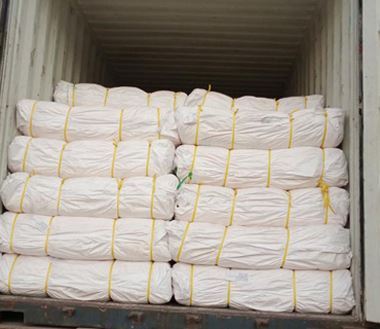
Polypropylene Feed Bags: Durable, Versatile, and Sustainable Solutions for Modern Agriculture
Polypropylene feed bags are essential packaging solutions for modern farming, combining durability, adaptability, and efficiency. Widely used in agriculture, livestock, and feed distribution, these bags are designed to protect contents, streamline handling, and support sustainable practices. From material science to design innovations, polypropylene feed bags play a crucial role in ensuring feed quality, improving operational efficiency, and reducing waste. This article explores their engineering, real-world applications, supply chain implications, and future trends, providing practical insights for farmers, feed manufacturers, and distributors.
1. Material Science and Durability of Polypropylene Feed Bags
Polypropylene (PP) is a thermoplastic polymer known for its balance of strength and flexibility. In feed bag applications, this material offers excellent tensile strength, chemical resistance, moisture protection, and UV stability. These properties make polypropylene ideal for long-term storage, transportation, and handling in challenging farm environments.
The crystallinity of PP ensures that bags maintain structural integrity during stacking, while flexibility allows them to absorb minor impacts without rupturing. Additives such as UV stabilizers, anti-static agents, and colorants further enhance performance, enabling the bags to withstand sun exposure, dust, and variable temperatures. This ensures that feed remains uncontaminated and usable, even in demanding agricultural conditions.
In addition to material properties, design innovations contribute significantly to durability. Features such as gusseted bottoms, reinforced seams, lift loops, and resealable closures enhance handling, reduce spillage, and prevent tearing during transportation. Anti-spill spouts and tamper-evident closures improve hygiene and reduce feed loss, while surface printing and color-coding aid in inventory management, traceability, and brand recognition.
2. Design Innovations and Functional Features
Polypropylene feed bags are not just about raw material strength—they integrate user-centric design features that optimize functionality in farm operations:
-
Gusseted bottoms allow bags to expand, improving storage efficiency.
-
Lift loops and reinforced seams enable easier hoisting and pallet handling.
-
Resealable closures and anti-spill spouts reduce dust, leakage, and feed waste.
-
Surface printing and color-coding help with product identification, inventory tracking, and branding.
These design enhancements ensure that bags perform reliably, reduce operational losses, and create a safer, cleaner storage environment. By combining engineering and practical design, polypropylene feed bags deliver a superior user experience while maintaining feed integrity.
3. Real-World Applications Across Livestock Operations
Polypropylene feed bags are used in various farming sectors, including dairy, poultry, swine, and mixed operations. Their versatility makes them suitable for different feed types, from pellets and mash to grains and supplements.
Dairy farms benefit from moisture-resistant bags that preserve feed nutrition and prevent mold growth. Poultry farms require dust-control features and easy-grip closures for clean handling and portion control. Swine operations need tear-resistant bags that withstand rough handling in barns, while mixed livestock farms benefit from bags designed for flexibility, durability, and easy storage.
Additionally, standardized bag sizes, reinforced seams, and modular handling designs simplify logistics, palletization, and storage management. Color-coded or branded bags also improve traceability and reduce errors in large feed distribution networks.
4. Compliance, Traceability, and Supply Chain Efficiency
Compliance and labeling are essential in feed packaging. Polypropylene feed bags often include clear product information, batch numbers, production dates, nutritional content, and safety instructions. Traceability features such as QR codes, RFID tags, or barcodes help track the feed from production to consumption, ensuring accountability and quality control.
In supply chain management, polypropylene feed bags enhance efficiency:
-
Standardized dimensions improve pallet stacking and warehouse organization.
-
Reinforced seams and closures reduce losses during transportation.
-
Digital labeling and inventory systems streamline logistics and quality monitoring.
These features ensure that polypropylene feed bags not only protect the feed but also support operational efficiency, reduce errors, and maintain consistency across the supply chain.
5. Storage and Handling Best Practices
Proper storage and handling are critical to maximize the lifespan and performance of polypropylene feed bags:
-
Store bags in a cool, dry place away from direct sunlight to prevent UV degradation.
-
Use pallets and strap systems to minimize perforation or crushing.
-
Inspect bags before use for any defects in seams, bottoms, or closures.
-
Avoid excessive stacking to reduce mechanical stress on lower layers.
Implementing these practices preserves the integrity of both the packaging and the feed, reducing spoilage and operational losses.
6. Sustainability and Environmental Considerations
Sustainability is becoming increasingly important in agriculture and packaging. Polypropylene feed bags offer advantages such as durability and recyclability, but multilayer coatings or additives can complicate recycling. To address this, manufacturers are innovating with mono-material laminates, recycled-content blends, and take-back programs that facilitate circular economy practices.
Key sustainability strategies include:
-
Choosing bags with recyclable or reusable materials.
-
Encouraging collection and recycling of used bags.
-
Opting for lightweight, high-strength designs to reduce material usage and transportation emissions.
These initiatives help farms and distributors meet environmental goals while maintaining feed quality and operational efficiency.
7. Cost Efficiency and Total Ownership
When evaluating polypropylene feed bags, consider the total cost of ownership rather than just the unit price. Durable bags reduce replacement frequency and prevent feed loss, delivering cost savings over time. Custom design features, such as reinforced seams, anti-spill closures, and UV stabilizers, may increase upfront cost but significantly reduce long-term losses and operational disruptions.
Collaborating with suppliers for value engineering—tailoring bag thickness, closure type, and printing to specific farm requirements—can optimize cost and performance simultaneously. High-quality polypropylene feed bags therefore become not just packaging, but a strategic investment in efficiency and feed preservation.
8. Future Trends in Polypropylene Feed Bags
The future of polypropylene feed bags lies in smarter materials, sustainable design, and integrated technology:
-
Material innovation: Incorporation of recycled or biobased polymers without compromising strength.
-
Enhanced barrier properties: Additives that improve moisture resistance, UV stability, and durability.
-
IoT and traceability: QR codes or smart labels for real-time inventory tracking and batch verification.
-
Circular economy approaches: Bags designed for reuse, recycling, or safe composting.
These trends ensure that polypropylene feed bags remain relevant, efficient, and environmentally responsible, aligning with the evolving needs of modern agriculture.
9. FAQs About Polypropylene Feed Bags
Q: What makes polypropylene feed bags durable for farms?
A: High tensile strength, flexibility, UV stabilizers, reinforced seams, and well-designed closures prevent tearing and leakage.
Q: Are polypropylene feed bags recyclable?
A: Yes, polypropylene is widely recyclable, though ease of recycling may vary depending on local facilities and contamination.
Q: How should polypropylene feed bags be stored?
A: Keep in a cool, dry location, use pallets, and avoid stacking beyond recommended limits to maintain integrity.
Q: Can bags be customized?
A: Yes, manufacturers offer options such as color coding, branding, reinforced closures, and specific sizes for different feed types.
Q: How should costs be evaluated?
A: Consider total cost of ownership, including durability, waste reduction, handling efficiency, and potential recycling or disposal savings.
Conclusion
Polypropylene feed bags are a cornerstone of modern agricultural packaging. By combining durable materials, thoughtful design, and sustainable practices, these bags protect feed quality, reduce operational losses, and enhance supply chain efficiency. Whether used in dairy, poultry, swine, or mixed livestock operations, polypropylene feed bags offer reliable performance, customization, and cost-effective solutions. Forward-thinking buyers and producers prioritize durability, traceability, and environmental responsibility to ensure that these bags meet today’s operational challenges while remaining adaptable to future trends. Investing in high-quality polypropylene feed bags is not just a packaging decision—it’s a strategic move for efficiency, sustainability, and farm success.
