
 Español
 Русский


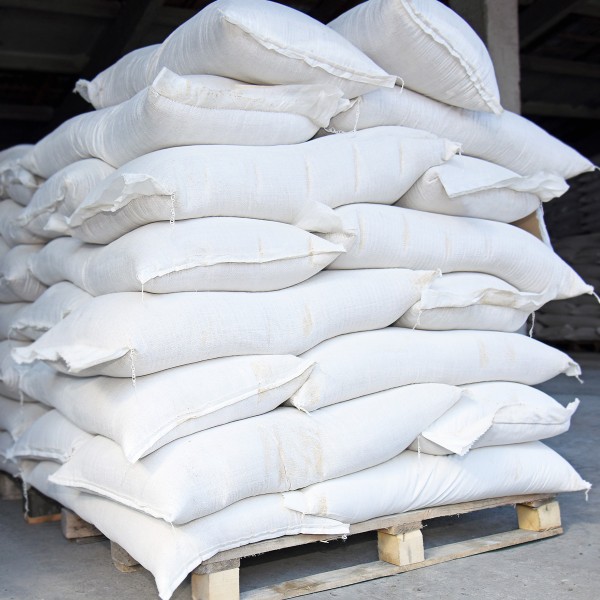
The Complete Guide to Woven Sacks: Durable Packaging Solutions for Modern Industries (2025)
Woven sacks have evolved far beyond simple storage bags to become indispensable packaging solutions across industries. From agriculture to construction, food processing, and logistics, these versatile bags provide durability, cost efficiency, and sustainability. In this comprehensive guide, we explore the material science, design innovations, applications, and future trends of woven sacks, demonstrating why they remain trusted by manufacturers, farmers, retailers, and supply chain professionals alike.
Sustainability and Environmental Considerations in Woven Sacks
As industries worldwide prioritize eco-friendly practices, understanding the environmental footprint of woven sacks is crucial. Modern buyers, manufacturers, and policymakers consider the lifecycle of these products—from raw material sourcing to end-of-life disposal or recycling—when evaluating packaging options.
Materials and Production:
Most woven sacks are made from polypropylene (PP) or polyethylene (PE) threads, which are woven into strong, flexible fabrics. The choice of material affects strength, weight, and recyclability. Leading manufacturers map material flows, minimize production waste, and optimize water and chemical usage during processing. These practices reduce the environmental footprint and allow sacks to be produced at scale without compromising quality or sustainability.
Additives for Durability:
To extend service life, manufacturers often include UV stabilizers, anti-static agents, or heat-resistant coatings. Such treatments increase bag longevity by protecting against sunlight, abrasion, and rough handling. However, not all additives are environmentally friendly, so buyers should request material safety data sheets (MSDS) and third-party certifications that confirm recyclability and safe content.
End-of-Life and Recycling:
Many regions now offer recycling streams for polypropylene woven sacks. In agriculture and industrial sectors, these bags are often reused multiple times before disposal, further reducing environmental impact. Lifecycle cost assessments frequently show that investing in durable, reusable sacks provides greater long-term savings than opting for low-cost, single-use alternatives.
Sustainable Innovations:
Future trends in sustainability include bio-based polymers, improved recyclability, and circular economy initiatives that design sacks for multiple life cycles. Procurement decisions that prioritize verified sustainability practices ensure performance does not come at an ecological cost.
Durability, Performance, and Design Innovations
Durability is the cornerstone of woven sacks, achieved through material science, weaving techniques, and intelligent design. Modern innovations have significantly enhanced sack performance, making them suitable for diverse environments and demanding applications.
Weaving Patterns and Strength:
The arrangement and density of interlaced PP or PE filaments determine tensile strength and tear resistance. Tight weaves and multi-layer laminations increase puncture resistance and load-bearing capacity without substantially increasing weight. For bulk transport and storage, this reduces ruptures, product loss, and handling hazards.
Reinforced Construction:
Reinforced corners, heavy-duty seams, and double-stitched hems improve longevity in high-stress scenarios. Stitching methods, such as lockstitch or chain stitch, influence seam stress distribution and fatigue resistance. Proper thread selection and tension calibration prevent seam failure, ensuring sacks withstand long-distance transport, rough handling, and outdoor exposure.
Coatings and Finishes:
Water-repellent finishes protect contents from rain or condensation, while UV stabilizers prevent material degradation in sunlight. Anti-static coatings are applied for powders and granular products, reducing clumping and improving safety. Collectively, these design enhancements minimize premature replacement, lowering overall waste and cost.
Customization and Modularity:
Modern woven sacks offer adjustable dimensions, handle options, and color-coding to streamline warehouse operations. Tailoring sacks to specific product characteristics—such as moisture sensitivity, chemical compatibility, or bulk content—enhances operational efficiency and minimizes incidental losses.
Applications Across Industries
Woven sacks are versatile, serving multiple sectors with tailored performance and practical benefits.
Agriculture:
Farmers rely on woven sacks for grains, seeds, fertilizers, and animal feed. Their durability and affordability allow repeated reuse, and color-coded or labeled bags improve inventory management. Sacks are designed to handle specific moisture conditions, reduce spillage, and withstand stacking and transport.
Industrial Packaging and Construction:
Construction sites use woven sacks for cement, sand, aggregates, and building materials. Reinforced seams and durable fabrics ensure safe handling under heavy loads. The bags’ open-top design supports quick filling and efficient disposal.
Food Processing and Retail:
In food distribution, woven sacks maintain product integrity during transport. Custom printing with branding, product details, and barcodes enhances marketing while supporting operational clarity. Lamination or coating adds moisture resistance, making sacks suitable for both storage and display.
Logistics and Supply Chain Management:
Woven sacks integrate seamlessly with pallets and stretch-wrap systems, maximizing stacking stability and reducing product damage. Their predictable performance and compatibility with automated handling systems increase efficiency across distribution networks.
Waste Management and Reuse:
Beyond packaging, woven sacks can be repurposed as protective covers, liners, or raw material for recycling initiatives, supporting circular economy principles.
Future Trends and Innovations
The woven sack industry is poised for continued evolution through material innovations, digital integration, and sustainability initiatives.
Advanced Materials:
Research into bio-based polymers, compostable plastics, and hybrid PP blends is ongoing, aiming to reduce reliance on fossil-based materials without compromising performance.
Digital Integration:
RFID tags, QR codes, and IoT-enabled sensors enhance traceability, inventory management, and predictive maintenance. These tools enable better efficiency and reduce waste in high-volume or sensitive applications.
Circular Economy Practices:
Modular designs and take-back programs enable longer product life cycles and easier recycling. Sacks designed for disassembly and refurbishment help companies reduce landfill contributions and maintain high-value material loops.
Data-Driven Procurement:
Organizations are increasingly aligning procurement with sustainability and resilience goals. Evaluating suppliers based on lifecycle assessments, recycling programs, and technical certifications ensures operational reliability while supporting environmental responsibility.
Selecting the Right Woven Sack Supplier
When sourcing woven sacks, consider the following criteria:
-
Material Quality: Ensure the supplier uses high-grade PP or PE with verified durability and performance.
-
Customization Options: Look for size, thickness, color, lamination, and handle variations to meet specific needs.
-
Sustainability Practices: Evaluate recycling capabilities, reusable designs, and environmental certifications.
-
Industry Experience: Choose suppliers with expertise in your sector to ensure compatibility with your processes.
-
Quality Assurance: Request third-party test reports, MSDS documentation, and batch traceability.
-
Reliable Logistics: Confirm shipping capabilities, delivery schedules, and cost-effectiveness.
FAQs on Woven Sacks
Are woven sacks waterproof?
Base fabrics are not inherently waterproof but can be treated or laminated for water resistance.
Which materials are commonly used?
Polypropylene (PP) and polyethylene (PE) are standard, offering strength, lightness, cost-efficiency, and recyclability.
Can woven sacks be recycled?
Yes, many regions offer recycling streams, and some sacks are designed for multiple uses before disposal.
How do I choose the right sack?
Consider product type, durability, environmental conditions, handling, and end-of-life options. Evaluate suppliers for certifications and customization options.
Can woven sacks support branding?
Yes, they can be printed with logos, barcodes, and product information for marketing and operational purposes.
Conclusion
Woven sacks remain a durable, versatile, and cost-effective packaging solution for a wide range of industries. By combining advanced materials, intelligent design, and sustainable practices, these sacks deliver predictable performance while supporting circular economy principles. From agriculture and construction to food processing and logistics, woven sacks protect contents, reduce waste, and improve operational efficiency. Innovations in coatings, bio-based materials, and digital tools will continue to expand their potential, ensuring that woven sacks remain essential for businesses that prioritize reliability, sustainability, and cost-effectiveness.
For buyers and businesses, the key is to partner with reputable suppliers that offer technical expertise, customizable options, and verified sustainability programs. Woven sacks are more than simple containers—they are adaptable platforms for responsible packaging, efficient storage, and resilient supply chains that empower organizations to operate with confidence and clarity.
