
 Español
 Русский


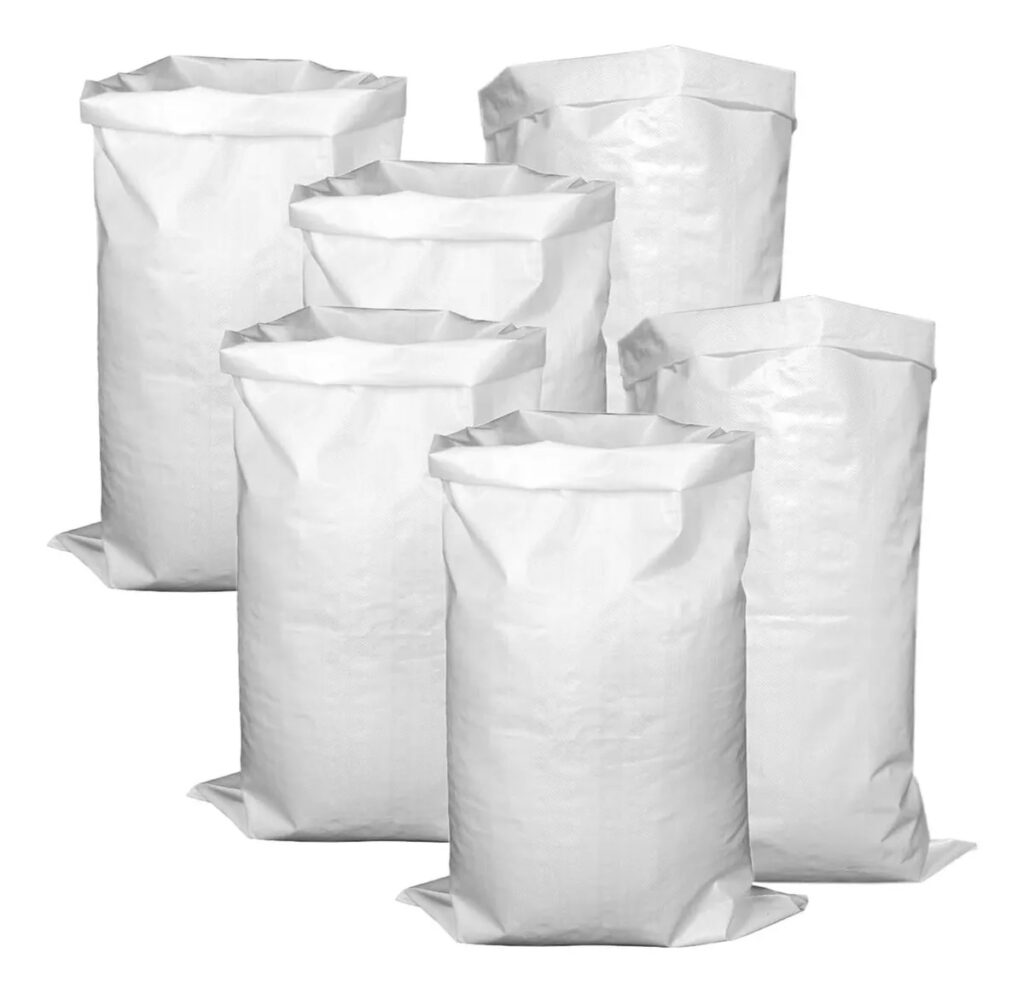
How to Secure 5+ Containers per Month from a Vietnam Supplier
A Strategic Capacity & Contract Framework for 2026 Importers
1. Why Securing 5+ Containers per Month Is a Strategic Move
Importing 5 or more containers per month of PP woven bags or fabric is no longer tactical buying — it is structured supply chain management.
At this volume level, importers must control:
-
Production capacity
-
Resin procurement timing
-
Freight booking stability
-
Technical consistency
-
Contract structure
If capacity is not secured early, suppliers may:
-
Prioritize other buyers
-
Extend lead time
-
Adjust pricing under pressure
High-volume buyers must think like supply chain partners, not transactional customers.
2. Understand the Supplier’s Real Capacity
Before requesting 5+ containers per month, importers should evaluate:
-
Monthly production capacity (MT or containers)
-
Current utilization rate
-
Peak-season constraints
-
Capacity expansion roadmap
Ask directly:
-
What is your current booked capacity?
-
How much free capacity remains for export allocation?
-
When is your peak season?
Capacity transparency is the foundation of stable supply.
3. Step 1 – Present a Structured Volume Plan
Suppliers allocate capacity to buyers who provide clarity.
Instead of asking:
“Can you supply 5 containers monthly?”
Provide:
-
3-month rolling forecast
-
6-month estimated demand
-
Annual growth expectation
Structured forecast allows supplier to:
-
Plan resin procurement
-
Reserve loom production slots
-
Allocate labor scheduling
Planning increases priority.
4. Step 2 – Use a Rolling Contract Model
To secure 5+ containers per month, implement a rolling contract.
Key elements:
-
Monthly volume commitment
-
Defined technical specification
-
Pricing mechanism (fixed or indexed)
-
Production lead time agreement
-
Volume flexibility range
Rolling contracts reduce uncertainty for both sides.
Suppliers prioritize predictable buyers.
5. Step 3 – Align Pricing Strategy with Resin Volatility
Resin is the primary cost driver.
At 5+ containers per month, resin fluctuation significantly impacts cost.
Options include:
-
Fix price for 2–3 months during stable period
-
Use indexed formula linked to resin benchmark
-
Lock partial volume and float remainder
Professional pricing alignment strengthens partnership.
6. Step 4 – Secure Production Slots Before Peak Season
Peak season may include:
-
Agricultural harvest cycles
-
High fertilizer demand
-
Export season
If you require 5+ containers monthly:
-
Confirm capacity allocation 2–3 months before peak
-
Avoid last-minute spot booking
-
Align production with freight schedule
Capacity security reduces delay risk.
7. Step 5 – Optimize Container Loading Efficiency
Freight is charged per container.
At high volume:
Freight per bag = Total freight ÷ Total bags loaded
Optimizing loading weight (e.g., 25–26 MT where technically safe) improves cost efficiency.
Engineering packaging density improves competitiveness without reducing GSM.
High-volume buyers must control freight engineering.
8. Step 6 – Diversification Strategy
Relying entirely on one supplier for 5+ containers per month may increase risk.
Structured diversification model:
-
60–70% primary supplier
-
30–40% secondary allocation
Vietnam suppliers benefit from CPTPP access under the
Comprehensive and Progressive Agreement for Trans-Pacific Partnership (CPTPP),
which provides tariff advantages for markets like Mexico and Canada.
Diversification improves resilience.
9. Step 7 – Build Relationship Beyond Price
Suppliers prioritize buyers who:
-
Share long-term growth plan
-
Maintain payment discipline
-
Communicate forecast changes early
-
Resolve quality discussions professionally
At 5+ containers per month, relationship stability matters more than marginal price negotiation.
Strategic partnership creates priority status.
10. Risk Factors to Control
When securing large volume, manage:
-
Lead time realism
-
Resin supply continuity
-
Workforce capacity
-
Documentation accuracy
-
Freight rollover risk
High volume amplifies small operational weaknesses.
Preventive planning is critical.
11. Financial & Cash Flow Planning
High monthly volume requires:
-
Stable deposit structure
-
Predictable payment schedule
-
Clear invoicing timeline
-
Working capital alignment
Contract structure must support both sides’ financial stability.
12. What Suppliers Look for in 5+ Container Buyers
Suppliers evaluate:
-
Volume reliability
-
Forecast discipline
-
Technical clarity
-
Payment reliability
-
Long-term intention
If importer appears speculative or inconsistent, capacity allocation may be limited.
Confidence drives allocation.
13. How Tan Hung Supports 5+ Container Buyers
With capacity expansion and structured scheduling, Tan Hung supports:
-
Rolling monthly allocation
-
Defined GSM & tensile control
-
Resin procurement alignment
-
Container loading engineering
-
CPTPP documentation support
The objective is stable, scalable supply — not short-term spot trading.
Conclusion
Securing 5+ containers per month from a Vietnam supplier requires:
-
Structured forecast planning
-
Rolling contract strategy
-
Capacity reservation
-
Resin-aligned pricing
-
Freight optimization
-
Long-term partnership mindset
In 2026, disciplined high-volume buyers who align production, pricing and logistics will gain structural competitive advantage.
