
 Español
 Русский


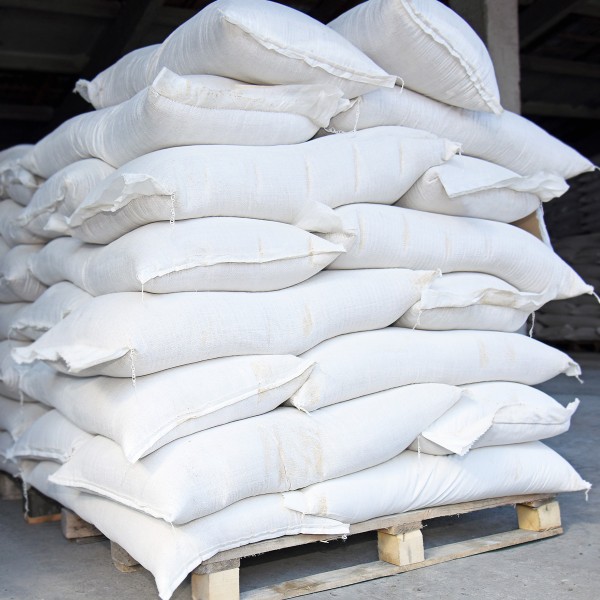
Common Mistakes When Using PP Woven Bags (And How to Avoid Them)
PP woven bags are widely used in agriculture, industry, and export logistics—but incorrect usage or specification mistakes can lead to product loss, operational issues, and unnecessary costs.
This article is written from a manufacturer’s expert perspective, and is based on real production and export experience from TAN HUNG JSC VIETNAM.
Understanding these common mistakes helps buyers and users extend bag lifespan, reduce damage, and optimize total packaging cost.
Choosing the Wrong GSM
One of the most frequent mistakes is selecting an incorrect GSM (grams per square meter) for the intended application.
Why This Happens
-
GSM is chosen based on price instead of load requirement
-
The same bag is used for different products
-
Load conditions (stacking height, transport distance) are underestimated
Consequences
-
Bag tearing or bursting during handling
-
Deformation when stacked
-
Higher product loss and rework costs
How to Avoid It
-
Match GSM with actual filling weight and handling method
-
Consider stacking pressure and transport conditions, not just bag weight
-
Optimize GSM together with mesh and stitching—not GSM alone
At TAN HUNG JSC VIETNAM, GSM is selected based on real load performance, not arbitrary weight targets.
Ignoring Stitching Quality
Stitching is a critical structural element, yet it is often overlooked during inspection.
Common Issues
-
Weak thread material
-
Inconsistent stitch density
-
Poor bottom fold construction
Consequences
-
Seam failure under load
-
Sudden bag rupture during lifting or stacking
-
Safety risks for workers
How to Avoid It
-
Inspect bottom seams and side stitching before use
-
Ensure stitching matches bag load capacity
-
Avoid placing critical load stress directly on seam lines
Even a strong fabric can fail if stitching quality is inadequate.
Improper Storage & Handling
Incorrect storage conditions can significantly reduce the lifespan of PP woven bags.
Typical Storage Mistakes
-
Prolonged exposure to direct sunlight (without UV stabilization)
-
Storage in high-humidity or wet environments
-
Stacking bags beyond designed height
Consequences
-
Material degradation and loss of strength
-
Increased risk of tearing during filling
-
Reduced reuse cycles
How to Avoid It
-
Store bags in a dry, shaded, and ventilated area
-
Use UV-stabilized bags for outdoor storage
-
Follow recommended stacking limits
Proper storage is just as important as correct bag specification.
Expert Insight from the Manufacturer
Many issues attributed to “poor bag quality” are actually the result of misuse or incorrect selection.
The most reliable way to prevent problems is to:
-
Define the application clearly
-
Select technically appropriate specifications
-
Work with a manufacturer who provides technical guidance, not just pricing
With decades of export experience, TAN HUNG JSC VIETNAM supports customers by helping them avoid specification and usage mistakes before they become costly issues.
Conclusion
PP woven bags are robust and cost-effective when used correctly. Most failures can be traced back to:
-
Incorrect GSM selection
-
Poor stitching control
-
Improper storage and handling
By addressing these common mistakes, users can significantly improve safety, performance, and total cost efficiency.
In 2026 and beyond, smart packaging management means using the right bag, the right way.
