
 Español
 Русский


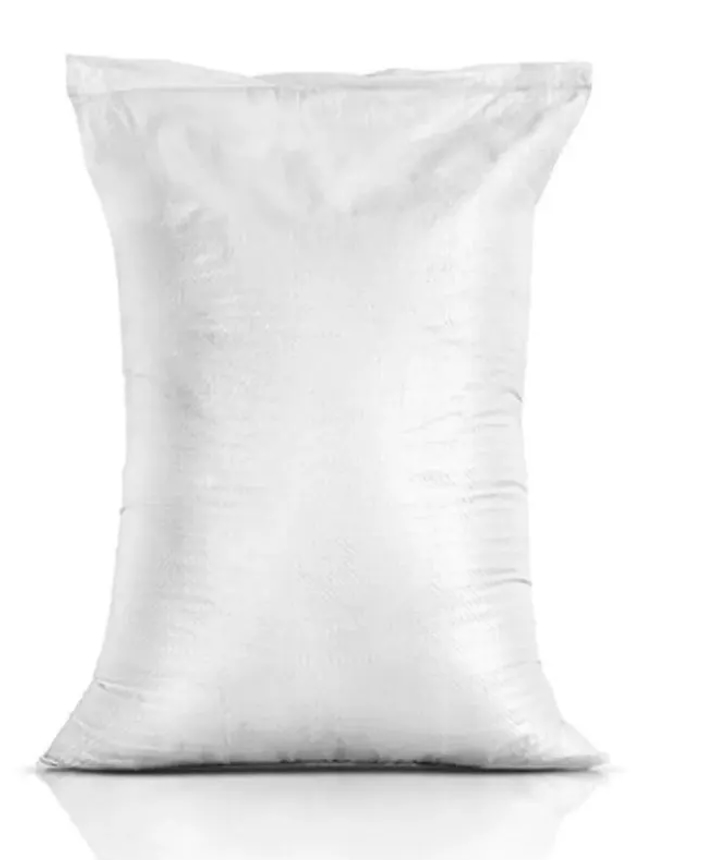
PP Woven Bag vs FIBC Bulk Bag: What Are the Key Differences?
When choosing industrial packaging, buyers often compare PP woven bags and FIBC bulk bags (Jumbo Bags). While both are made from polypropylene, they are designed for very different load capacities, handling methods, and cost structures.
This article is written from a manufacturer’s expert perspective, and is based on real production and export experience from TAN HUNG JSC VIETNAM.
Load Capacity
PP Woven Bag
PP woven bags are designed for small to medium loads, typically:
-
25 kg – 50 kg (most common)
-
Up to 60–70 kg with reinforced construction
They are ideal for manual handling, stacking, and standard logistics operations.
FIBC Bulk Bag
FIBC (Flexible Intermediate Bulk Container) bags are engineered for very high loads, usually:
-
500 kg – 2,000 kg per bag
They require mechanical handling such as forklifts or cranes.
👉 Key difference: PP woven bags are for unit packaging; FIBC bags are for bulk material handling.
Structure & Design
PP Woven Bag Structure
-
Woven PP fabric
-
Cut and sewn into small bags
-
Optional PP coating or BOPP lamination
-
Filled manually or via standard filling lines
FIBC Bulk Bag Structure
-
Heavy-duty woven PP fabric
-
Reinforced seams and lifting loops
-
Often includes liners, baffles, or discharge spouts
-
Designed for vertical lifting and discharge
FIBC bags are structurally more complex and engineered for load safety and stability at high weights.
Cost Comparison
PP Woven Bag Cost
-
Low unit price
-
Cost-effective for high-volume packaging
-
Minimal handling equipment required
FIBC Bulk Bag Cost
-
Higher unit price
-
Additional costs for lifting equipment and handling
-
Lower cost per kilogram of product for bulk transport
From a total-cost perspective, PP woven bags are more economical for small unit distribution, while FIBC bags are efficient for bulk logistics.
When Should You Use Each Type?
Choose PP Woven Bags When:
-
Products are packed in 25–50 kg units
-
Manual handling is required
-
Goods are distributed to multiple end users
-
Packaging needs branding or retail labeling
Typical applications:
-
Agriculture (rice, grain, feed)
-
Fertilizers and chemicals
-
Cement and construction materials (small packs)
Choose FIBC Bulk Bags When:
-
Products are handled in large bulk quantities
-
Forklift or crane handling is available
-
Reducing handling steps is a priority
Typical applications:
-
Minerals and ores
-
Bulk chemicals
-
Large-volume agricultural commodities
Expert Recommendation
The decision between PP woven bags and FIBC bulk bags should be based on logistics flow, handling equipment, and distribution model, not just material type.
-
PP woven bags offer flexibility, lower entry cost, and easier handling
-
FIBC bulk bags maximize efficiency in bulk transport systems
With extensive experience supplying PP woven packaging to global markets, TAN HUNG JSC VIETNAM helps buyers select the right packaging format for their actual operational needs, avoiding unnecessary cost or handling complexity.
Conclusion
PP woven bags and FIBC bulk bags are complementary solutions, not competitors. Each serves a distinct role in modern supply chains.
In 2026 and beyond, the most effective packaging strategy is choosing the right bag for the right load and handling system—not simply the largest or strongest option.
TAN HUNG JSC VIETNAM provides export-ready PP woven bag solutions and technical guidance to support efficient, reliable packaging decisions across agriculture, industry, and logistics.
Read more: 9 Success Tips from a Vietnam-Based PP Woven Bag Manufacturing Company
