
 Español
 Русский


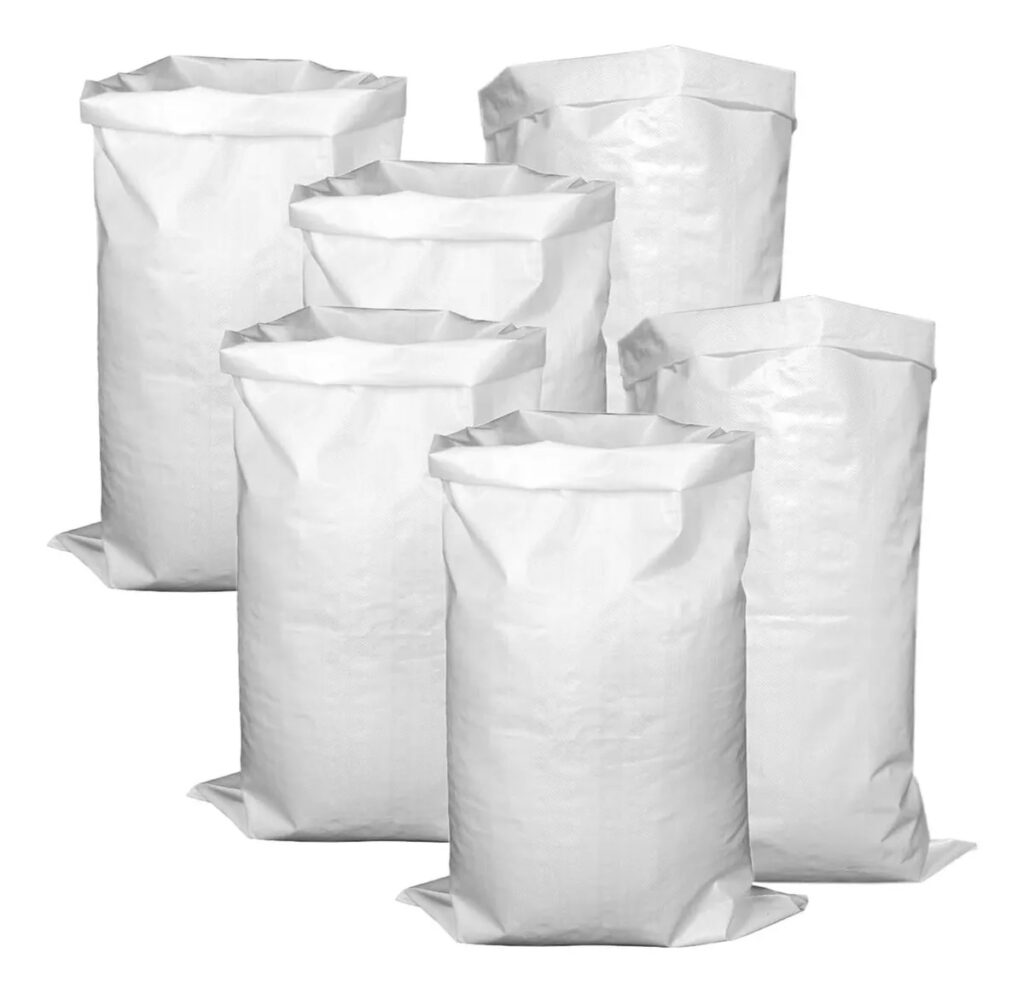
PP Bags Manufacturers: Choosing the Right Partner for Quality, Innovation, and Sustainability
In modern packaging, PP bags manufacturers play a critical role in delivering reliable, durable, and sustainable solutions. They combine material science expertise, production precision, and supply chain insight to meet diverse industrial requirements. From protecting products to enhancing brand presence, these manufacturers are central to efficient and responsible packaging strategies. This article explores what sets top-tier PP bags manufacturers apart, how to evaluate them, and how businesses can build strong, long-term partnerships.
1. Selecting Reliable PP Bags Manufacturers: Quality, Compliance, and Sustainability
Choosing a PP bags manufacturer is more than a procurement decision—it directly impacts product protection, brand perception, and operational efficiency. Reliable manufacturers distinguish themselves through quality control, regulatory compliance, and environmental responsibility.
Quality begins with materials. Leading PP bags manufacturers source high-grade polypropylene resins, carefully selecting additives and stabilizers to ensure consistent thickness, tensile strength, and tear resistance. They implement robust quality management systems (QMS), in-line inspections, and statistical process controls (SPC) to maintain uniform performance. Expect documented test results, batch traceability, and material safety data sheets (SDS) as standard practice.
Compliance is another marker of reliability. Top manufacturers pursue certifications such as ISO 9001 for quality, ISO 14001 for environmental management, and industry-specific standards like BRCGS for food packaging or FDA compliance for food-contact applications. They maintain transparent documentation on traceability, supplier codes of conduct, and proactive risk management—anticipating regulatory changes before they affect downstream processes.
Sustainability is increasingly essential. Manufacturers integrate circular economy principles, optimize material usage, and explore recycled content where feasible. Take-back programs, energy-efficient production, and responsible scrap disposal demonstrate tangible commitment. Sustainability is not marketing—it’s measurable through audits, carbon footprint reporting, and continuous improvement plans.
Practical evaluation involves requesting samples, conducting field tests, and checking compatibility with your filling, sealing, and printing processes. A trustworthy PP bags manufacturer guides pilot runs, production tolerances, and packing configurations, helping avoid costly errors. Assess financial stability, production capacity, and contingency planning to ensure supply continuity.
The best manufacturers act as extensions of your team, translating packaging needs into custom solutions. They consider product sensitivity, filling speeds, sealing requirements, and finishing options like printing or anti-static coatings. Collaboration, knowledge sharing, and proactive guidance build trust and strengthen long-term results.
2. Assessing Reliability and Industry Standing
Reliability is proven through track record, references, and on-site observation. Request case studies and client portfolios with similar packaging requirements. Evaluate on-time delivery, defect handling, and the manufacturer’s corrective and preventive action (CAPA) processes.
Experience in specific industries—food, pharmaceuticals, or industrial applications—reduces risk and adds value. Look for flexibility in customization, including film structures, printing, and specialized finishes. Top manufacturers treat client constraints as design parameters, optimizing performance across the supply chain.
Consider establishing a supplier development program. Joint initiatives for cost reduction, process optimization, and co-innovation strengthen alignment and accelerate time-to-market for new packaging solutions. Pilot runs validate performance on real equipment, reducing scale-up risks and providing actionable insights.
3. Innovations in PP Bags: Materials, Printing, and Customization
Innovation drives differentiation. Leading PP bags manufacturers leverage advanced materials, printing technologies, and tailored designs to enhance functionality, brand appeal, and sustainability.
Materials: Modern PP bags often use multilayer films combining polypropylene with PET, EVOH, or bio-based alternatives. These films provide moisture, oxygen, and light barriers, extending shelf life for perishable goods and protecting sensitive products. Additives like antioxidants, slip agents, and colorants improve durability while maintaining processing compatibility.
Printing and finishing: Gravure, flexographic, and digital printing deliver high-resolution graphics, color consistency, and brand visibility. Coatings for matte, gloss, UV resistance, or anti-static properties enhance aesthetics and operational safety. Top manufacturers align printing with lamination and sealing processes to prevent defects.
Customization: From gusseted bags to stand-up pouches and resealable closures, custom solutions meet both functional and branding needs. Co-created designs involve packaging engineers, graphic designers, and supply chain planners, ensuring the packaging integrates seamlessly with filling lines, complies with regulations, and elevates consumer experience.
Sustainable innovations include monomaterial films for easier recycling, incorporation of recycled PP content, and bio-based alternatives. Lifecycle assessments ensure new designs achieve both performance and environmental objectives. Automation, inline quality checks, and robotics improve consistency, lower costs, and reduce errors, enabling compliance with global standards.
Real-world examples illustrate the impact: beverage companies achieve premium shelf appeal with EVOH-layered, glossy pouches featuring resealable zippers, while cold-chain food packaging maintains clarity and flexibility under low temperatures. Early-stage sensory testing ensures final products satisfy both technical and consumer expectations.
4. Building Partnerships and Driving Growth
Successful relationships with PP bags manufacturers go beyond transactions—they are strategic collaborations. Start with joint business plans outlining capacity, cost targets, sustainability milestones, and time-to-market goals. Implement governance structures with performance reviews and escalation paths to streamline problem-solving.
Strategic partners provide design-for-manufacture (DfM) support, supply chain optimization, and pilot testing. Brands contribute transparent forecasts, stable demand signals, and collaborative problem-solving, creating a resilient ecosystem capable of handling market volatility.
Risk management includes supplier diversification, safety stock, and clear service-level agreements (SLAs) for quality and delivery. Leading manufacturers maintain flexible production resources and contingency plans to ensure continuity. Growth strategies may involve portfolio expansion, regional penetration, or integrated logistics and automation solutions, enabling joint revenue and brand differentiation.
Measure success with clear KPIs: on-time delivery, defect rates, speed of change requests, and value-added innovation. Formalize collaboration with charters, shared KPIs, and continuous improvement cycles to maximize long-term outcomes.
5. Practical Guidelines for Choosing a PP Bags Manufacturer
-
Technical file: Request detailed specifications including film structure, layer composition, sealing temperatures, and recommended printing parameters.
-
Transparency: Clear pricing models, lead times, and minimum order quantities prevent surprises.
-
Communication: Regular updates, design reviews, and collaborative problem-solving maintain alignment.
-
Sustainability: Verify recycled content, energy-efficient production, and end-of-life programs.
-
Innovation: Look for a manufacturer with R&D capabilities, pilot support, and the ability to translate strategic objectives into packaging solutions.
FAQs
What to look for when selecting a PP bags manufacturer?
Proven QMS, certifications (ISO 9001, ISO 14001), traceability, sustainability programs, customization, and pilot support.
How is food and pharmaceutical safety ensured?
Compliance with strict material and sealing standards, FDA or regional certifications, batch traceability, and tamper-evident features.
Can manufacturers support design-for-manufacture and printing?
Yes. They provide guidance on film structure, sealing, printing, and finishes to align with production requirements.
What role does sustainability play?
Recycled content, recyclability, energy efficiency, and waste reduction are key indicators of a responsible partner.
How to manage risk and ensure supply continuity?
Maintain safety stock, multi-source strategies, SLAs, and regular performance reviews.
Conclusion
In the competitive packaging landscape, PP bags manufacturers are essential partners who combine quality, innovation, and sustainability. By prioritizing material expertise, regulatory compliance, and collaborative relationships, brands can secure reliable packaging solutions that protect products, enhance consumer experience, and meet environmental goals. A strong partnership with a forward-looking manufacturer ensures resilience, scalability, and continuous improvement—turning packaging into a strategic advantage that supports growth, brand differentiation, and responsible business practices.
