
 Español
 Русский


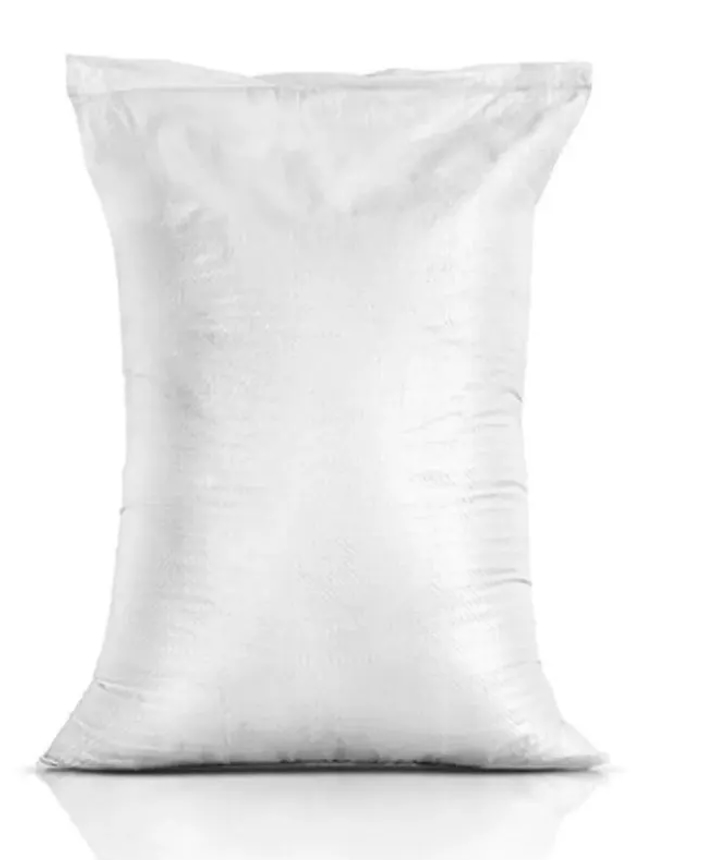
Woven Polypropylene Bags: The Ultimate Guide for Modern Packaging, Storage, and Transport
Woven polypropylene bags have revolutionized industrial packaging, storage, and transport, offering unmatched strength, durability, and versatility. These bags are trusted across agriculture, retail, manufacturing, and logistics for their ability to handle heavy loads while remaining lightweight and cost-effective. In this guide, we explore the benefits, applications, design considerations, and practical strategies for using woven polypropylene bags, providing actionable insights for manufacturers, distributors, and supply chain professionals.
1) Material Advantages – Strength, Flexibility, and Sustainability
The foundation of any effective packaging solution lies in its material. Woven polypropylene bags excel due to the unique properties of polypropylene fibers woven into a strong, durable fabric. These bags are typically stitched or heat-sealed, creating a robust container capable of carrying heavy commodities such as grains, fertilizer, sand, and industrial raw materials.
Key material benefits include:
-
Tear and puncture resistance: High tensile strength and flexibility make the bags durable under heavy loads.
-
Lightweight: Easier handling and reduced shipping costs compared to heavier alternatives.
-
Chemical and moisture resistance: Protects contents from spills, humidity, and environmental exposure.
-
Sustainability potential: Reusable designs, recyclable materials, and circular economy programs enhance environmental performance.
Advanced production techniques, including careful weave pattern design and resin selection, maximize bag performance. Tighter weaves improve tear resistance for bulk transport, while looser weaves provide flexibility for specialized applications like filtration or shade nets. Many bags also include barrier coatings for moisture protection or printed branding for product differentiation, helping streamline logistics and warehouse management.
From a cost perspective, woven polypropylene bags offer a low total cost of ownership. Their durability reduces product loss, lowers waste disposal costs, and supports multiple use cycles, making them a practical and sustainable choice for high-volume operations.
2) Durability in Real-World Operations
Durability is critical when transporting bulk goods over long distances or storing products for extended periods. Woven polypropylene bags are designed to withstand:
-
Stacking pressures: Elasticity absorbs weight and prevents punctures.
-
Environmental stress: Resistant to UV, moisture, and temperature fluctuations when treated with stabilizers.
-
Frequent handling: Maintains integrity during loading, unloading, and transport.
Operational efficiency also depends on ease of maintenance. Bags with wipeable surfaces or moisture-resistant coatings can be reused multiple times, further lowering environmental impact and operational costs. For industries handling powders or granular materials, such features are essential to minimize product loss and maintain hygiene.
3) Design Considerations for Maximum Performance
Every design element of woven polypropylene bags affects performance. Critical factors include:
-
Handles and lifting points: Proper placement reduces stress on seams and prevents early wear.
-
Seams and closures: Heat-sealed or stitched seams must suit the intended load and handling environment.
-
Printing and labeling: Should withstand abrasion, sunlight, and moisture to ensure visibility and compliance.
-
Coatings: UV, moisture, or anti-static coatings extend bag life and protect contents.
By aligning design with operational requirements, manufacturers can create packaging that supports brand visibility, ensures product safety, and optimizes warehouse efficiency. Thoughtful design choices translate into fewer damaged goods, reduced waste, and faster logistics cycles.
4) Applications Across Industries
Woven polypropylene bags are remarkably versatile, finding use across multiple sectors:
-
Agriculture: Storing and transporting grains, seeds, and animal feed while protecting against moisture and pests.
-
Retail and wholesale: Bulk packaging of rice, sugar, flour, and other consumer goods with printing options for branding.
-
Construction and minerals: Carrying sand, cement, aggregates, and fertilizers, where abrasion resistance and stackability are critical.
-
Industrial and logistics: Transporting raw materials, powders, or sensitive products, often combined with liners for additional protection.
Customizable features such as color coding, UV stabilization, and anti-static coatings allow these bags to adapt to specific workflows and climates. Their stackable design supports palletized shipping, improving efficiency in warehouses and during long-haul transport.
5) Best Practices for Implementation
To maximize efficiency and longevity, consider these best practices:
-
Assess load and handling conditions: Match bag thickness, weave, and seam type to weight, density, and material characteristics.
-
Pilot testing: Run small batches to evaluate tear resistance, seam integrity, and load performance before scaling production.
-
Storage management: Keep bags in dry, shaded environments and stack carefully to prevent punctures or deformation.
-
Staff training: Educate workers on proper handling, sealing, stacking, and safety protocols to minimize damage.
-
Data tracking: Use checklists, barcode systems, and performance dashboards to monitor bag efficiency and make improvements.
By integrating these strategies, organizations can reduce waste, optimize workflow, and strengthen their supply chain operations.
6) Choosing the Right Woven Polypropylene Bag
Selecting the ideal bag depends on balancing technical requirements, operational workflow, and sustainability goals:
-
Thickness and weave density: Higher denier and tighter weaves handle heavier loads; lighter options reduce cost and material usage.
-
Coatings and finishes: Moisture barriers, UV stabilizers, anti-static coatings, and food-grade finishes improve functionality and compliance.
-
Closure types: Seams, heat seals, and liners must suit handling methods and environmental conditions.
-
Customization: Printing, color coding, and size variations streamline inventory management and brand recognition.
Collaboration with reliable suppliers ensures consistent quality, performance data availability, and sustainable options. Request testing results, certifications, and field performance data to validate selection and reduce risks.
7) Frequently Asked Questions
How durable are woven polypropylene bags?
They withstand long-haul shipping, stacking, and repeated handling when chosen with appropriate thickness, coating, and seam quality.
Can these bags be reused?
Yes, durable bags with reinforced seams can be reused multiple times, reducing per-use costs and environmental impact.
Are they safe for food products?
Food-grade bags with approved coatings are safe for direct or indirect contact with edible goods.
What coatings improve moisture resistance?
Polyolefin barriers, moisture-resistant laminates, and UV stabilizers enhance durability and protect contents.
How should end-of-life management be handled?
Recycling programs, take-back schemes, or repurposing before disposal support sustainability and circular economy practices.
Conclusion
Woven polypropylene bags are a durable, versatile, and cost-effective packaging solution suitable for agriculture, retail, manufacturing, and logistics. Their strength, adaptability, and customizability make them an ideal choice for modern supply chains seeking efficiency, reliability, and environmental responsibility. By carefully selecting materials, design features, and coatings—and partnering with trusted suppliers—organizations can maximize bag lifespan, reduce waste, and ensure smooth operations. As industries continue to evolve toward sustainable, resilient packaging solutions, woven polypropylene bags remain a trusted backbone of modern commerce.
