
 Español
 Русский


Comparing PP Woven Bags vs. Other Packaging Types: Why Tan Hung JSC’s Bags Are the Future
Introduction
In 2025, packaging is more than just a container — it’s a statement of sustainability, cost-effectiveness, and brand reliability. With growing restrictions on single-use plastics and rising demand for eco-friendly alternatives, businesses are rethinking their packaging choices. From agriculture and construction to retail and e-commerce, companies now prioritize durability and environmental responsibility.
This guide compares PP woven bags with plastic bags, jute bags, and paper bags. We’ll explore their differences, advantages, and limitations, and explain why Tan Hung JSC’s PP woven bags are emerging as the global standard for modern packaging solutions.
What Are PP Woven Bags?
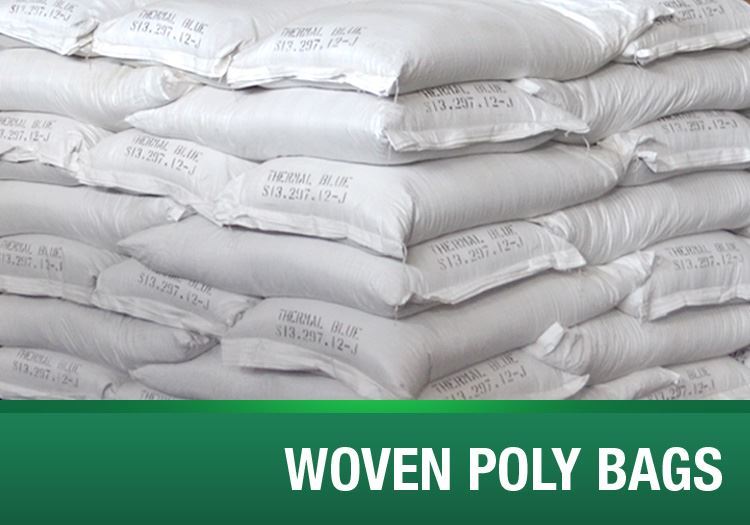
PP woven bags are made from polypropylene (PP) strips woven together to form a strong, durable, and reusable fabric. This weaving method provides excellent resistance to tearing and stretching, making these bags ideal for bulk storage and heavy-duty transport.
At Tan Hung JSC, we manufacture PP woven bags to meet strict international standards. Options include:
-
Lamination for extra moisture protection
-
UV stabilization for outdoor use
-
Custom printing for branding and marketing
-
Different sizes and weights to suit diverse industries
📌 Pro Tip: If you’re comparing “PP woven bags vs plastic bags,” you’re already looking for something stronger, reusable, and eco-smart.
PP Woven Bags vs. Plastic Bags
| Feature | PP Woven Bag (Tan Hung) | Traditional Plastic Bag |
|---|---|---|
| Durability | Very high, tear-resistant | Very low, tears easily |
| Reusability | Yes, can be reused many times | Rarely reusable |
| Eco-Friendliness | Recyclable and reusable | Single-use, high pollution |
| Cost | Slightly higher upfront, but long-lasting | Cheaper, but poor lifecycle |
| Branding | Printable, customizable designs | Limited printing options |
✅ Verdict: While plastic bags may be cheaper upfront, they create significant environmental damage and are not reusable. PP woven bags deliver better long-term value, making them the smarter choice for businesses aiming to balance affordability and sustainability.
PP Woven Bags vs. Jute Bags
| Feature | PP Woven Bag (Tan Hung) | Jute Bag |
|---|---|---|
| Durability | Tear-resistant, long lifespan | Weaker when exposed to moisture |
| Cost | Lower production cost | Expensive, less scalable |
| Moisture Resistance | High, especially with lamination | Poor, absorbs moisture |
| Weight | Lightweight | Heavier |
| Appearance | Modern, customizable printing | Rustic, less uniform |
✅ Verdict: Jute bags are natural and biodegradable, but they are not as cost-effective or moisture-resistant as PP woven bags. For industrial and large-scale packaging, PP woven bags clearly outperform jute bags.
PP Woven Bags vs. Paper Bags
| Feature | PP Woven Bag (Tan Hung) | Paper Bag |
|---|---|---|
| Strength | Extremely strong, load-bearing | Weak under heavy loads |
| Water Resistance | Excellent with lamination | Poor unless wax-coated |
| Reusability | High, lasts multiple uses | Very limited |
| Customization | Fully customizable in design | Limited printing durability |
✅ Verdict: Paper bags are suitable for light retail packaging, but when it comes to heavy-duty use and long-term sustainability, PP woven bags win. They offer strength, water resistance, and excellent branding potential, making them ideal for businesses that require both practicality and visibility.
Why Tan Hung JSC’s PP Woven Bags Stand Out
As one of Vietnam’s leading PP woven bag manufacturers, Tan Hung JSC has earned global trust through innovation, quality, and scale.
Here’s why businesses worldwide choose Tan Hung JSC:
-
High-volume manufacturing capacity – millions of bags produced annually
-
ISO-certified quality management for consistent reliability
-
Sustainable sourcing and eco-friendly processes
-
Customization options in size, color, print, and finish
-
Competitive global pricing (FOB & CIF)
We serve industries across agriculture, construction, food, retail, and logistics with tailored packaging solutions.
Use Cases Across Industries
Our PP woven bags are trusted by businesses worldwide because they adapt to different industry needs:
-
🧺 Agriculture: Storing rice, flour, seeds, and animal feed
-
🏗️ Construction: Heavy-duty cement, sand, and gravel transport
-
🧃 Food Industry: Packaging sugar, salt, coffee, nuts, and frozen products
-
🛍️ Retail & Fashion: Custom shopping totes for brand visibility
-
🏭 Chemicals & Fertilizers: Moisture-proof and anti-slip bags for safe transport
📌 Related Post: [Top 5 Industries Benefiting from PP Woven Bags in 2025 – Powered by Tan Hung JSC]
Sustainability Commitment in 2025
At Tan Hung JSC, we believe packaging should protect not just products, but also the planet. Our sustainability initiatives include:
-
Offering recycled PP woven bag options
-
Implementing closed-loop systems to reduce production waste
-
Partnering with suppliers who meet global environmental standards
-
Supporting circular economy principles by promoting reusability
By choosing PP woven bags, businesses reduce their carbon footprint while complying with international packaging regulations.
Conclusion
When comparing PP woven bags vs. plastic, jute, and paper bags, the results are clear:
-
Stronger than plastic bags
-
More cost-effective than jute bags
-
More durable and reusable than paper bags
For industries that demand strength, sustainability, and branding potential, PP woven bags are the superior packaging solution.
Tan Hung JSC is proud to lead this packaging revolution, offering eco-friendly and customizable PP woven bags that meet global standards.
👉 Switch to Tan Hung JSC’s PP woven bags today and discover the smarter, greener way to package your products in 2025 and beyond.
